
How to Legally Buy Land in Peru as a Foreigner Step by Step Guide for 2026
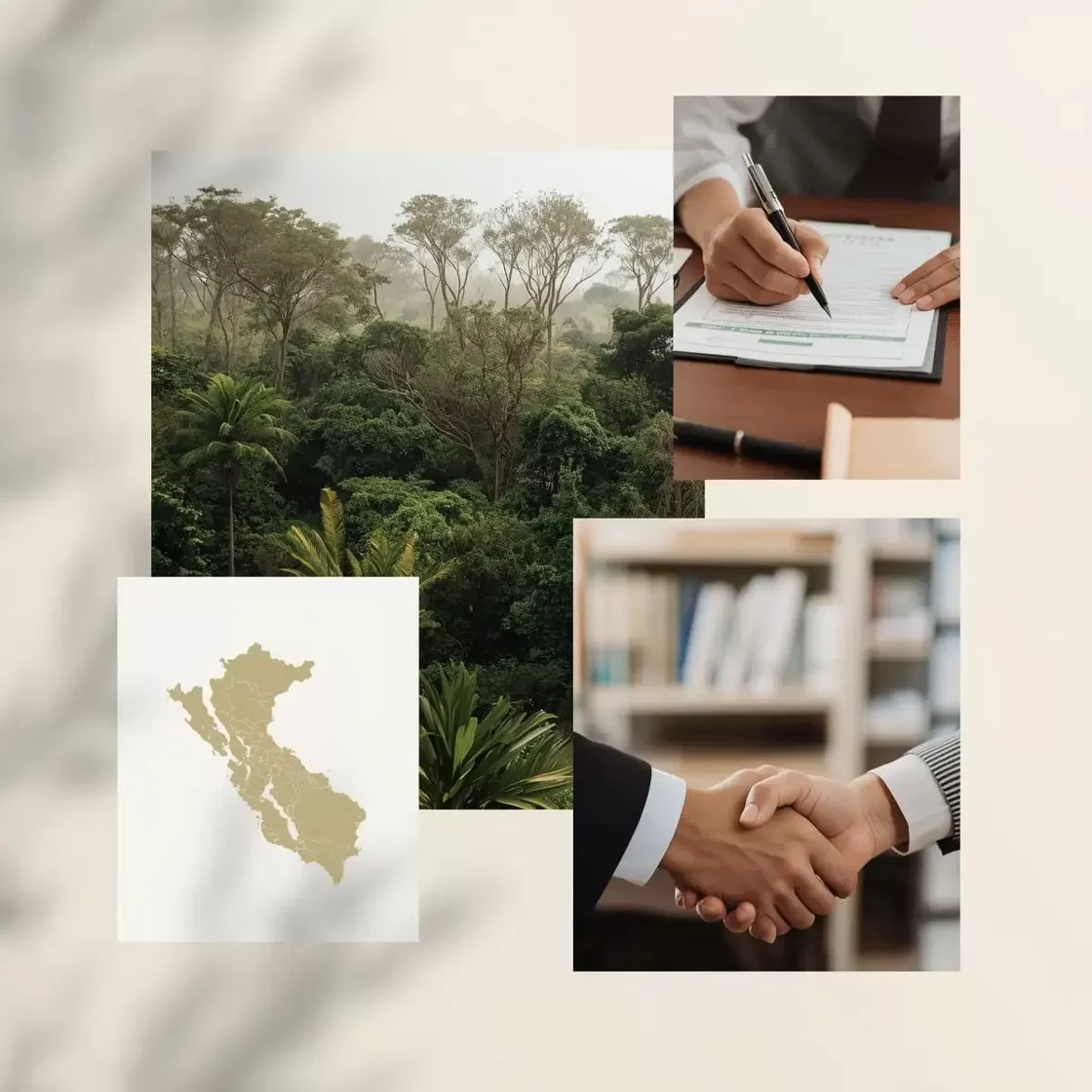
Introduction Foreigners Buying Land in Peru in 2026
Peru remains one of the most open countries in Latin America for foreign property ownership. Foreigners can legally buy titled land almost anywhere in the country, from the Pacific coast to the Andes and deep Amazonian regions, without needing residency or special permits.
This openness makes Peru attractive for investors seeking land for living, eco projects, agriculture, conservation and long term development.
The year 2026 introduces several updates that make the purchasing process both more secure and more structured. The national registry modernizes its digital systems, notaries rely more heavily on electronic verification and land due diligence becomes easier to perform remotely.
At the same time, buyers must understand zoning categories, environmental rules and regional differences that shape what can legally be done with a particular parcel.
This guide walks foreigners step by step through the entire process of legally buying land in Peru in 2026. The explanations are written in simple language, with practical details, a clear workflow and guidance based on current regulatory practices.
The article focuses on legal safety, transparency and realistic expectations, helping foreigners avoid the most common mistakes and complete a smooth and secure transaction.
Featured article
How much does it cost to live in the Amazon rainforest?
A practical cost breakdown for living in the Peruvian Amazon, including land prices, housing, monthly expenses, infrastructure, internet, and realistic startup costs.
Read the full Amazon cost of living guideBuying Jungle Land
Complete guide to buying land in the Peruvian jungle – essential steps and considerations
Read GuideInvestment Risks
Amazon land investment risks and due diligence – comprehensive analysis for informed decisions
Learn MoreKey Legal Foundations Foreign Buyers Should Understand
Foreign ownership in Peru is governed by clear constitutional principles and a mature system of property registration. Understanding these foundations is essential before moving into the step by step process.
Equal property rights for foreigners and nationals
Peruvian law grants foreigners nearly the same property rights as Peruvian citizens. You can buy residential, agricultural or rural land; you can purchase in your name or through a company; and you can acquire more than one property if you wish. There is no special tax surcharge or foreign ownership fee. This openness is one reason Peru continues to attract long term investors.
Foreigners do not need a residency visa to buy land. Many buyers purchase property during a short visit, and the entire legal transaction can be completed without changing immigration status. Residency may help with future life planning, but it is not tied to property ownership.
Understanding the restricted border zones
Peru has a constitutional restriction for foreigners purchasing land in specific border regions. These zones are limited areas located close to international borders and classified as sensitive for national security. Most real estate markets, including the Amazon regions popular among eco investors, are far outside these restricted areas.
For almost all typical buyers this rule has no direct impact. Still, it is essential that the land title clearly shows the district and province to confirm that the property does not fall under this restriction.
Land ownership versus land use
Foreigners can own land, but some uses require permits regardless of who owns the property. This is especially relevant for rural and Amazonian land where environmental rules apply. Forest protection, water rights, sustainable land management and zoning categories determine what can legally be done on a parcel.
Ownership and use are separate legal concepts. A landowner must comply with the regulations that apply to the land’s classification.
Choosing How to Purchase Property Individual or Company
Before analyzing specific parcels, foreign buyers should decide whether to acquire land as a private person or through a Peruvian company. Each option has advantages depending on long term goals.
Buying land as an individual
Most lifestyle buyers choose personal ownership. This model is simple, direct and requires minimal documentation. A foreigner only needs a valid passport and a tax identification number, which can be obtained with the support of a legal representative when required by the notary.
Personal ownership is sufficient for homesteads, rural retreats, conservation land and single family residential development.
Buying land through a Peruvian company
Investors planning commercial activities or multi parcel acquisitions often choose to create a Peruvian company. This structure can simplify operational permits, business compliance, long term partnerships and local employment. Some buyers prefer this model for tax planning or because it creates a separation between personal assets and project assets.
How to decide between the two options
The decision depends on how the land will be used. Personal ownership is appropriate for living and small scale activities. Company ownership may be better for eco lodges, agroforestry projects, tourism operations or multi phase investments. Legal advice helps clarify the most efficient structure.
Sources
Step 1 Clarify Immigration Status and Tax Requirements
Foreigners can legally buy property in Peru without residency. However, understanding immigration and tax obligations simplifies the transaction.
Buying land as a tourist
Many foreign buyers carry out the entire transaction while visiting Peru as tourists. This is entirely legal. The notary verifies identity through the passport, and any required declarations are signed during the closing process. Even buyers who leave the country before final registration can complete their purchase through a representative.
Long term residents and investors
Some buyers plan to live in Peru after purchasing land. Residency can be pursued later under programs unrelated to property. Owning land does not automatically grant residency, nor does it complicate the process.
Obtaining a tax number
Most notaries require the buyer to have a tax identification number for property registration and for future tax responsibilities. The process is straightforward, and local accountants or legal teams handle the paperwork quickly.
Step 2 Select the Right Region and Land Type
Peru has diverse geography, each area offering different opportunities and requiring different due diligence considerations. Choosing the right region is part of a safe long term strategy.
The coast
Coastal areas offer structured markets, clear zoning, easier access to utilities and developed roads. Buyers interested in residential or commercial projects often prefer the coast because regulatory processes are straightforward and property boundaries are usually well defined.
The Andes
The Andean highlands combine urban centers with remote rural areas. Titles can be clear in cities but more complex in remote communities. Buyers must verify that the land is not part of communal territory and that the title is properly registered. High altitude properties may offer scenic beauty, agricultural potential and cooler climates.
The Amazon
The Amazon region offers unique opportunities for conservation, eco business, sustainable agriculture and personal retreats. This region requires the most careful due diligence. Buyers must confirm titles through the national registry, verify land use classification, check access routes and understand environmental obligations.
Property categories in Peru
Peru uses several land classifications, which can include urban, agricultural, forestry, protection and rural categories. These classifications determine acceptable uses, building permissions and the legal framework of the property. Verifying the land category early prevents future project delays.
Step 3 Complete a Full Title Check Through SUNARP
A verified title is the strongest protection for a foreign buyer. The national registry confirms who owns the land, whether the title is clean and whether any legal conflicts exist.
SUNARP works in 2026
The national registry maintains digital and physical records for every titled parcel. Notaries rely on SUNARP to verify property data before preparing the final deed. In recent years, the system has expanded digital services, allowing faster verification and remote monitoring of applications.
A legitimate transaction cannot rely on paper contracts alone. Only the registry can confirm the legal owner and the official boundaries.
What lawyers check during due diligence
A complete registry check typically includes:
Verification of ownership
Confirmation of clean title without liens or debts
Historical ownership review
Boundary and area verification
Confirmation that the parcel is not communal or protected land
Verification of zoning classification
Review of any pending registry processes related to the property
These steps reveal whether the title is complete, consistent and safe for transfer.
Digital access and modern tools
By 2026, notaries use electronic submission platforms, and lawyers access registry databases through online portals. These tools allow buyers to monitor the registration process and obtain updated certificates efficiently.
Step 4 Evaluate Zoning Environmental and Community Factors
Even when ownership is secure, land use must follow Peru’s zoning and environmental regulations. This step is especially important for rural and Amazon properties.
Understanding zoning categories
Zoning rules define what can be built, planted or operated on the land. Agricultural parcels may allow farming and agroforestry but restrict residential construction. Forestry classifications require sustainable land management. Protection categories limit development but may allow conservation projects.
Environmental considerations
Land in the Amazon region often carries environmental obligations. Certain activities require permits for land use change, forestry plans or soil conservation. Water rights sometimes require separate authorization. Buyers planning eco lodges, retreat centers or agriculture must ensure that their project aligns with the land’s classification.
Community and cultural considerations
Foreign buyers must confirm that the property is not part of communal territory or subject to ongoing communal titling processes. Communal land cannot be bought or sold. Even when purchasing privately titled properties, good relations with nearby communities are essential for long term sustainability.
Step 5 Prepare the Offer and Preliminary Agreement
Once due diligence is completed, the buyer and seller formalize their understanding through a preliminary agreement. This document forms the foundation of the final notarial deed.
Negotiating terms
Negotiations in Peru follow familiar international practices. Clear written agreements help avoid misunderstandings, especially in rural regions where informal customs sometimes influence expectations. Buyers should ensure that all agreed details appear in writing.
The preliminary contract
The preliminary contract sets the price, defines payment conditions, establishes timelines and outlines responsibilities. It must reflect all due diligence findings to prevent later conflicts. This contract is not yet submitted to the registry, but it is essential for preparing the final deed.
Safe payment structures
Foreign buyers often use staged payments to increase transaction security. Part of the payment may be made at signing, and the remainder at the notarial closing. Clear payment terms ensure transparent expectations for both sides.
Step 6 Sign the Public Notarial Deed
The notarized deed is the legally binding document that transfers ownership. Without this step, the buyer does not legally own the property.
Role of the notary in Peru
The notary verifies identities, reviews registry certificates, prepares the public deed and ensures that all legal requirements are met. The notary’s participation makes the transfer enforceable and acceptable for registry entry.
Signing in person or with power of attorney
Foreign buyers can sign the deed personally or through a representative. A properly legalized power of attorney allows a trusted person to act on the buyer’s behalf. Many international investors complete transactions remotely using this system.
What happens after signing
After signing, the notary submits the deed to SUNARP for final registration. Only after the registry updates the land record does the buyer become the official owner. Monitoring the registration status ensures that the process is completed correctly.
Step 7 Register Ownership and Complete Tax Obligations
Registration at the national registry finalizes the transfer and protects the buyer’s rights long term.
The registration process
The registry reviews the deed, verifies compliance with legal standards and updates the ownership record. Processing times vary but are generally faster than in previous years due to digital submissions.
Taxes and fees at the time of purchase
Property transactions in Peru involve several fees, including transfer taxes, notarial charges and registry costs. These vary by region and property type. Buyers should confirm applicable rates with their legal advisor, as tax rules may change from year to year.
Taxes when selling the property
Foreign owners selling property later may be subject to capital gains taxation. The calculation depends on residency status, valuation history and proper registration with the tax authority. Planning ahead helps reduce complications at the time of sale.
Additional Step When Buying Land in the Amazon
Buying land in the Amazon requires a deeper understanding of environmental, cultural and logistical factors. This step helps buyers evaluate long term viability.
Why Amazon land requires special attention
Amazon titles can vary in quality. In some rural areas, historical boundaries may not match current maps, and old paper titles may not reflect actual land occupation. For this reason, physical inspection and registry verification must work together.
Access and infrastructure
Many Amazon parcels are accessible only by river or seasonal roads. Buyers must evaluate transport conditions, proximity to services and the feasibility of building necessary infrastructure. These factors directly influence the future value and usability of the land.
Long term stewardship responsibilities
Amazon properties often require sustainable land practices. Forest management plans, reforestation obligations or conservation commitments may apply depending on classification. Buyers planning eco projects must incorporate these responsibilities into their long term strategy.
Common Mistakes Foreign Buyers Make
Many problems arise from predictable errors. Avoiding these mistakes ensures a smooth and secure purchase.
Buying untitled or informal land
Foreigners should never buy land without a registered title. Informal or communal parcels cannot be legally transferred. Only SUNARP records guarantee legal ownership.
Misunderstanding zoning rules
Land classification determines permitted activities. Buyers should verify zoning before signing contracts to avoid future restrictions or legal conflicts.
Relying only on intermediaries
Informal agents may not understand the legal system. Foreign buyers need independent legal representation to ensure all documents and procedures follow Peruvian law.
How Professional Advisors Support Foreign Buyers
Specialized advisors assist with property searches, due diligence, negotiations, notarial procedures, registration monitoring and long term project planning. This support is especially valuable for foreigners purchasing rural or Amazon land, where environmental and community considerations require detailed analysis.
FAQ Foreigners Buying Land in Peru in 2026
Can a foreigner buy land in Peru without residency?
Yes. Foreigners do not need residency to buy titled land.
Can a foreigner buy land in the Amazon?
Yes, as long as the land is titled and due diligence confirms clean ownership.
Do foreigners need to be physically present to sign the deed?
No. A power of attorney allows a representative to sign on their behalf.
How long does the buying process take?
Timeframes vary depending on registry workload and regional procedures.
What taxes apply when buying land?
Buyers may encounter transfer taxes, notarial fees and registry charges.
Does buying property help obtain residency?
No. Residency follows separate requirements not linked to land purchases.