
Rainforest Land Valuation in Peru Why Price per Hectare Is Not Enough
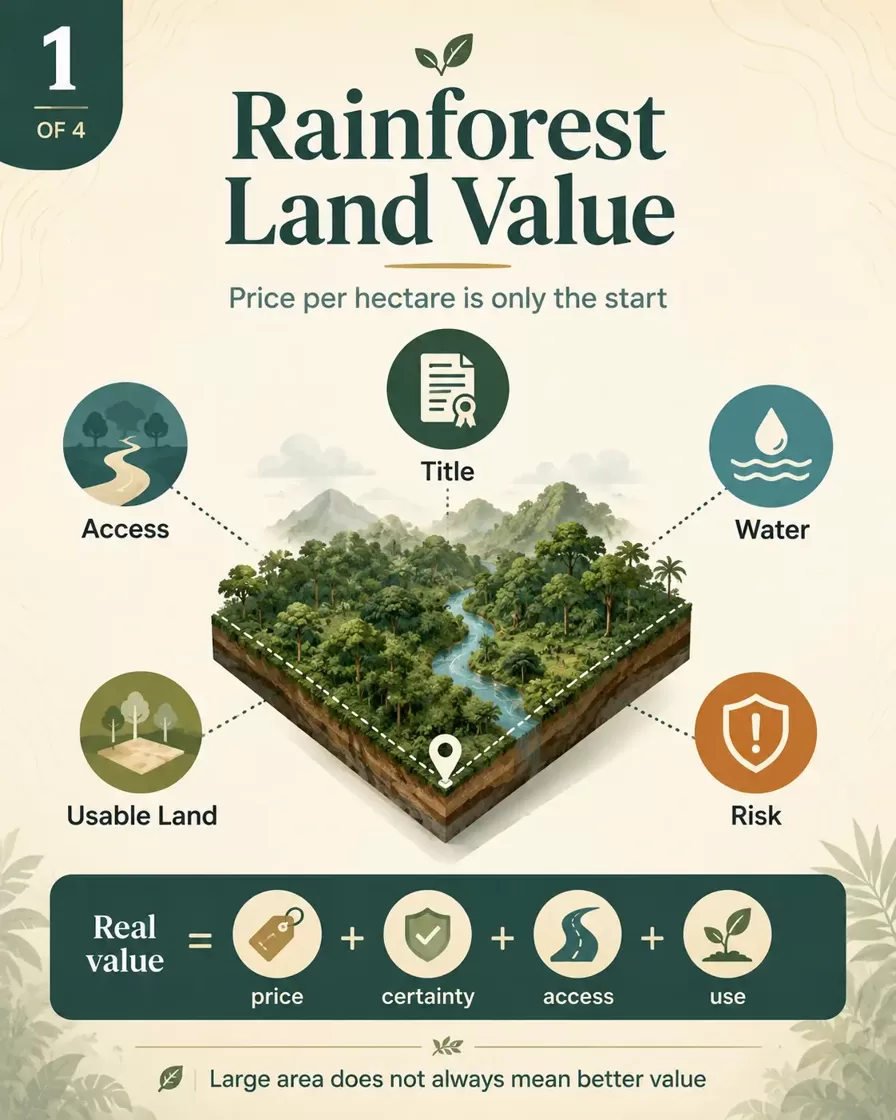 Rainforest land in Peru cannot be valued by
price per hectare alone. The real value of jungle land depends on
legal title, registered boundaries, access, water, terrain, forest
condition, usable zones, local management costs and the buyer’s
long-term plan.
Rainforest land in Peru cannot be valued by
price per hectare alone. The real value of jungle land depends on
legal title, registered boundaries, access, water, terrain, forest
condition, usable zones, local management costs and the buyer’s
long-term plan.
A low price can look attractive at first. But in the Amazon, cheap land can become expensive if it has no reliable access, unclear ownership, seasonal flooding, boundary disputes or no practical way to manage the property. A higher price can be more rational when the land has clear documentation, year-round access, water sources, usable areas and realistic development potential.
For buyers looking at rainforest land for conservation, eco-tourism, agroforestry, retreat development or long-term private ownership, the right question is not only “How much does the land cost?” The better question is “What exactly gives this land value, and what risks are included in the price?”
How Much Does It Cost to Live in the Amazon Rainforest
 Most articles about living in the Amazon
are written by people who spent two weeks in a jungle lodge. This
one is not. We live and work in the Loreto region of Peru, we own
land here, and we know exactly what things cost — not from Google,
but from receipts, conversations with neighbors, and years of
dealing with local realities.
Most articles about living in the Amazon
are written by people who spent two weeks in a jungle lodge. This
one is not. We live and work in the Loreto region of Peru, we own
land here, and we know exactly what things cost — not from Google,
but from receipts, conversations with neighbors, and years of
dealing with local realities.
If you are seriously considering a move to the rainforest, you need numbers. Not romantic stories. Not survival fantasies. Just honest, practical figures that help you make a real decision.
This is that breakdown.
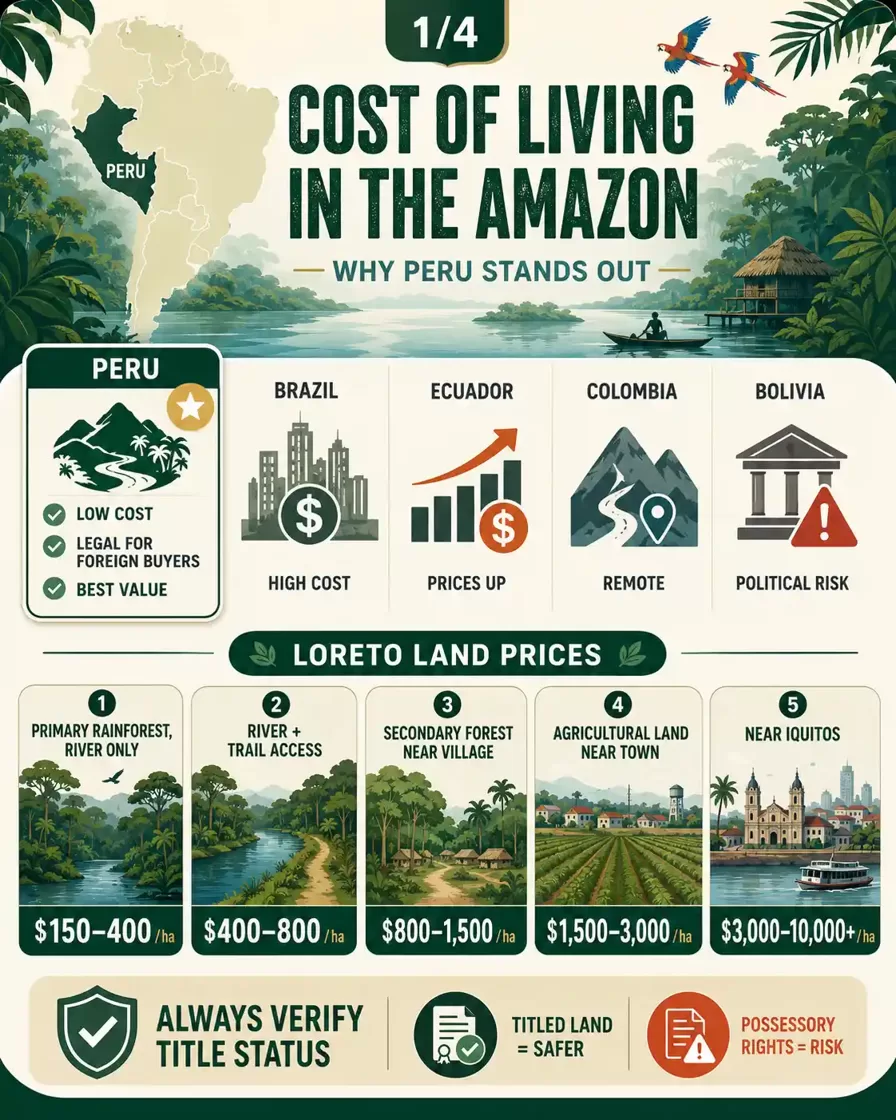
Why the Peruvian Amazon Is the Most Affordable Rainforest Region in South America
South America has plenty of jungle. Brazil, Ecuador, Colombia, Bolivia — they all have their share of the Amazon basin. But when you compare actual costs, legal accessibility for foreigners, and quality of life, Peru comes out ahead in almost every category.
Brazil is expensive and bureaucratically complex for foreign land buyers. Ecuador has driven prices up thanks to decades of expat migration. Colombia offers good infrastructure but jungle land near the Amazon is remote and poorly connected. Bolivia is cheap but politically unstable and offers limited legal protections for foreign property owners.
Peru sits in a sweet spot. Land prices in the Peruvian Amazon remain low. Foreigners can legally purchase property. The cost of daily life is a fraction of what you would spend in Central America or Southeast Asia. And the Loreto region — the largest department in Peru, almost entirely covered by primary rainforest — is where prices are lowest and nature is most intact.
If you have already been comparing countries, we wrote a detailed honest comparison of the best South American countries for expats. But if you have already decided on Peru, keep reading — here is where the real numbers start.
Best Countries to Live in the Jungle (2025–2026): Peru, Colombia, Ecuador, Costa Rica, Panama, Bali & More — Honest Comparison
What This Guide Covers
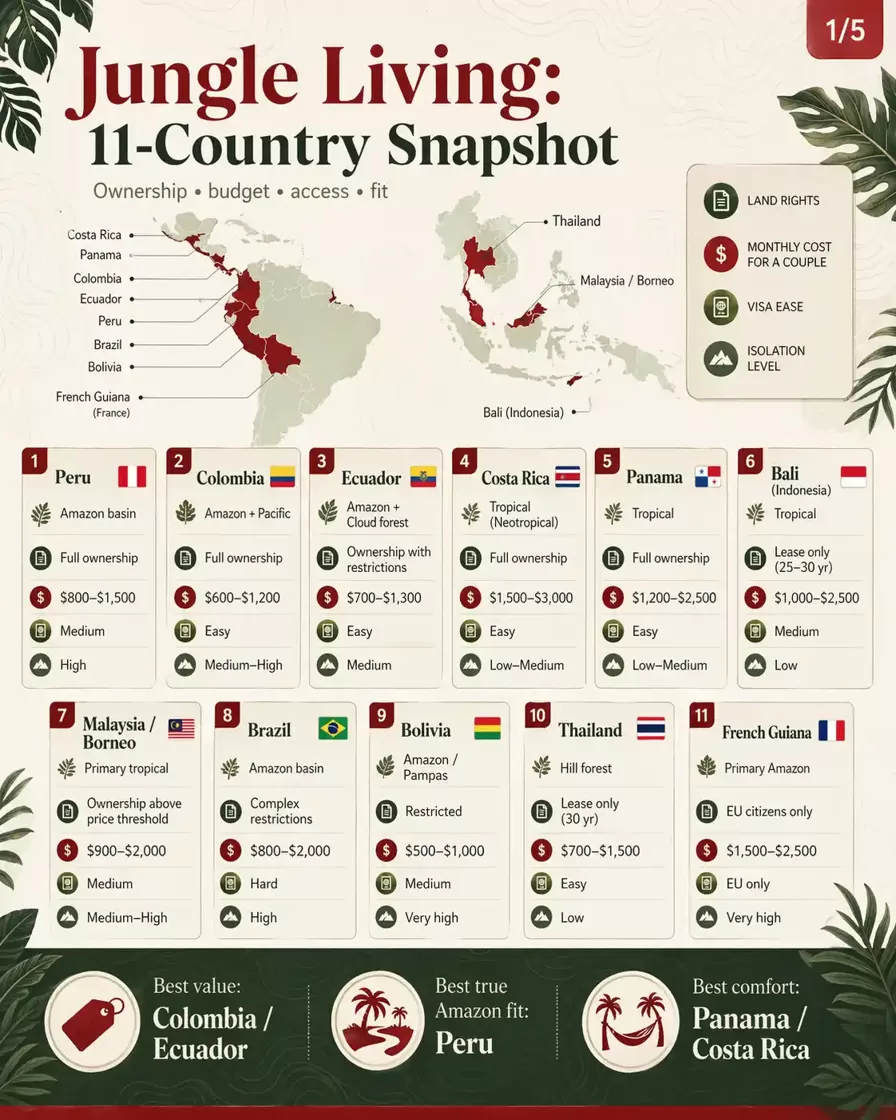
The best countries to live in the jungle permanently — ranked honestly by land ownership rights, monthly costs, visa options, internet access, safety, and real livability for foreign expats. This guide covers 11 countries: Peru, Colombia, Ecuador, Costa Rica, Panama, Bali, Malaysia (Borneo), Brazil, Bolivia, Thailand, and French Guiana.
This is not a tourism article. It is a practical decision-making resource for people who are seriously considering making the jungle their permanent or semi-permanent home.
Quick answers this guide provides:
- Which countries allow foreigners to own jungle land outright (and which do not)
- Where you can live in the Amazon or tropical jungle for under $1,200/month
- Which country best fits your profile: retiree, remote worker, eco-lodge entrepreneur, or family relocator
- What the lifestyle content never tells you about heat, medical access, and isolation
It starts before dawn. Somewhere outside the mesh of your window, a howler monkey begins its morning performance — a sound less like an animal and more like a malfunctioning amplifier deep in the trees. The air is already warm, already wet. By the time you make coffee, a green-and-black frog has stationed itself on the kitchen wall, and a hummingbird is working the ginger plant two meters from your door.
This is not a resort. This is Tuesday.
For tens of thousands of expats now living across Peru, Colombia, Ecuador, Costa Rica, Bali, and the jungles of Borneo, this is daily life — chosen deliberately, built slowly, and lived without apology. Jungle living as a permanent lifestyle choice is no longer a fantasy reserved for retired adventurers or trust-fund seekers. Remote work, affordable land in Latin America and Southeast Asia, Starlink connectivity reaching deep forest areas, and a growing global community of off-grid jungle expats have made this more achievable than at any previous point.
But here is the part the lifestyle content never tells you: the country you choose changes everything. A $600-per-month life in the Colombian Amazon is a radically different proposition from a $2,500-per-month lease in Ubud. The question of whether a foreigner can actually own the jungle land they live on — not rent it, not lease it for 25 years and then negotiate again — varies dramatically by country and determines whether your investment is permanent or a legal gamble. Medical access, internet reliability, school quality if you have children, the specific jungle climate type, the visa pathway — all of it shifts depending on where you plant your flag.
This guide gives you an honest comparative view of the 11 most realistic jungle living countries in the world. It separates the destinations that are genuinely livable long-term from those that are primarily tourist experiences wearing jungle clothing. Every cost figure is a range, not a guess. Every land ownership rule is stated clearly. And it ends with a direct answer to the question most comparison guides avoid: which country is specifically right for you.
Building a home in the jungle without grid connection is a
separate discipline entirely — water collection, solar sizing,
waste management, and flood-proof foundations all require specific
planning before you buy land. If you are moving toward full
autonomy, read our complete off-grid jungle living guide
before committing to any specific property or
country.
Jungle Off-Grid Living: The Complete Guide to Building, Moving, and Living Self-Sufficiently in the Tropics
Jungle Off-Grid Living: Can You Really Live in the Jungle Full Time?
Yes, jungle off-grid living is possible, and some people do live in the jungle full time, but it only works under specific legal, climatic, logistical, financial, and personal conditions.
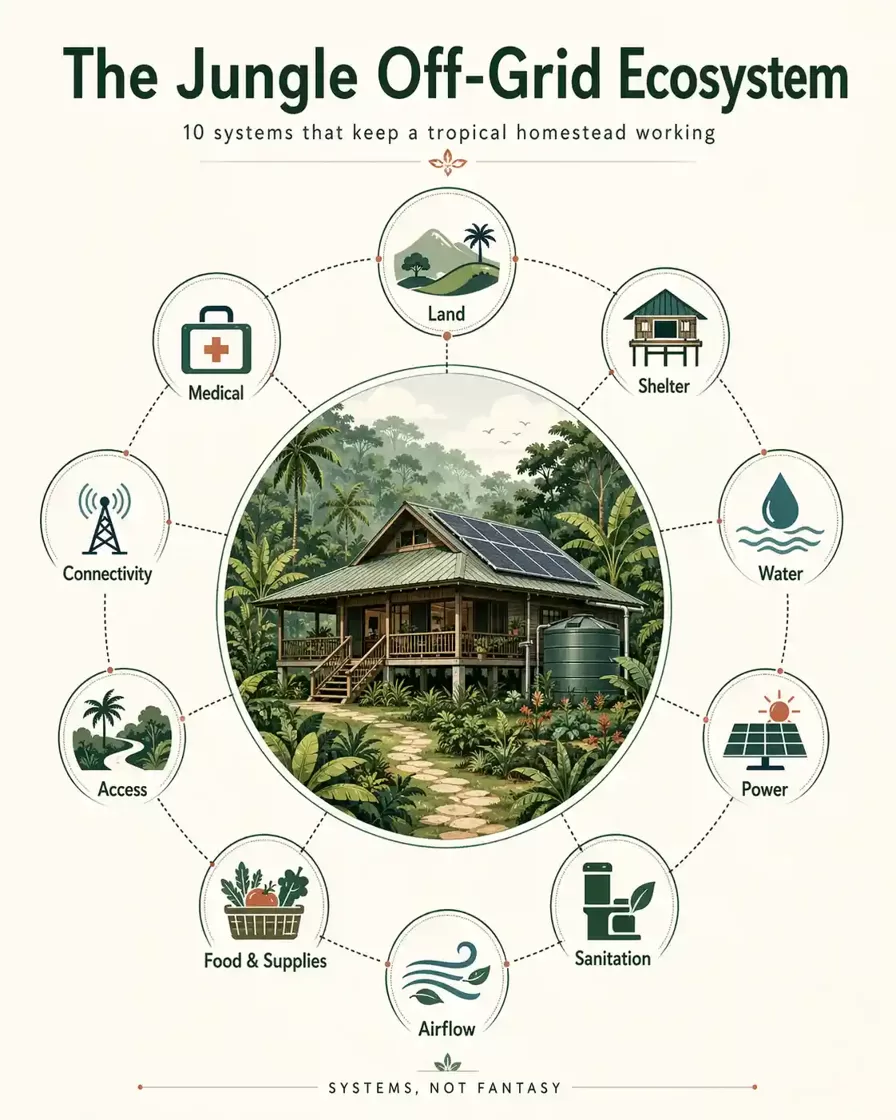
The fantasy version is a beautiful house hidden in dense greenery, powered by solar panels and surrounded by fruit trees. The real version is tropical off-grid living as a daily system: managing water, heat, humidity, drainage, insects, supplies, access roads, repairs, health risks, legal compliance, and isolation.
That is why living in the jungle is so often misunderstood. In most real-world cases, successful long-term jungle off-grid living is not deep wilderness survival. It is life on a rural tropical property, a rainforest-edge homesite, or a remote humid-climate homestead that still depends on some combination of road access, local labor, fuel, medical care, mobile coverage, satellite internet, nearby towns, and legally usable land.
This distinction matters because off-grid living in the tropics usually fails for predictable reasons: poor land selection, weak drainage, the wrong house design for a rainforest climate, unclear permits, unreliable water systems, undersized solar power, unrealistic budgets, and a maintenance burden that proves far heavier than expected.
Anyone researching how to build a house in the jungle, buy remote tropical land, or create a self-sufficient life in the tropics needs to understand that the workable version is not fantasy. It is a complete system.
Featured article
How much does it cost to live in the Amazon rainforest?
A practical cost breakdown for living in the Peruvian Amazon, including land prices, housing, monthly expenses, infrastructure, internet, and realistic startup costs.
Read the full Amazon cost of living guideBest Countries to Live in the Jungle (2025–2026): Peru, Colombia, Ecuador, Costa Rica, Panama, Bali & More — Honest Comparison
Ayahuasca Research in 2026: What New Studies Show About Depression, Cognition, Safety, and Integration
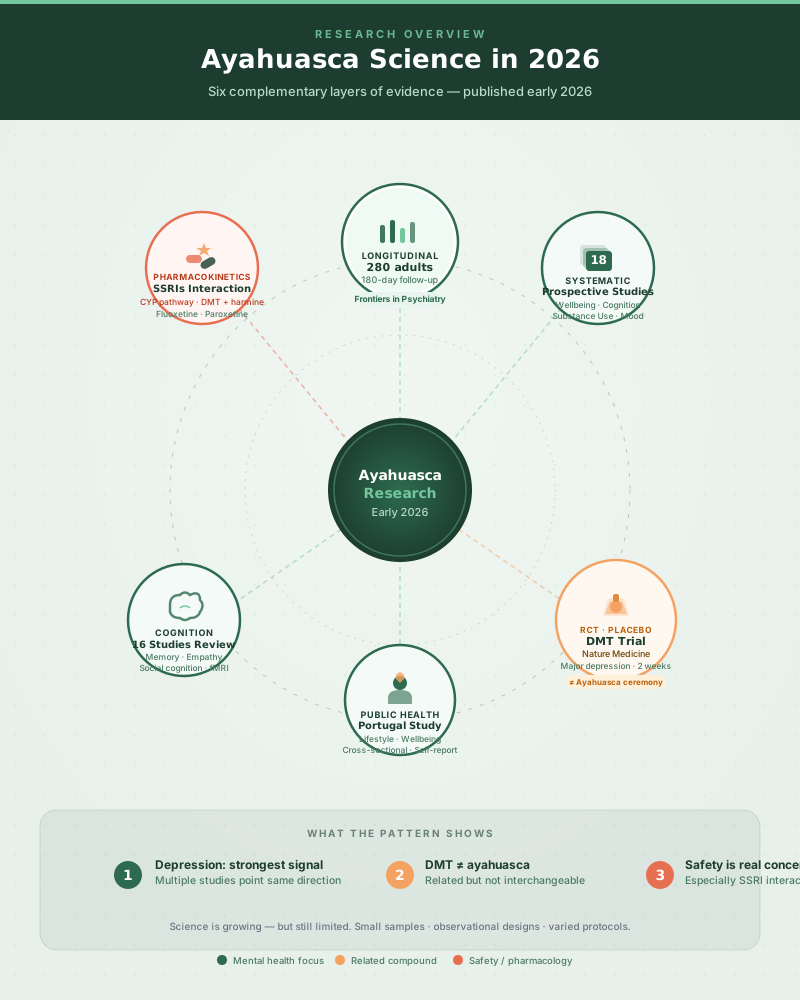
If you are looking for a serious overview of ayahuasca research in 2026, the first thing to know is this: the science is getting stronger, but it is still far from simple.
Early 2026 brought a cluster of important studies on ayahuasca, mental health, cognition, public health, medication risks, and related DMT-based antidepressant research. Together, they show that ayahuasca is no longer discussed only through anecdote, ceremony stories, or plant medicine mythology. It is now part of a real and growing scientific conversation.
That does not mean the field has reached certainty. It has not. The strongest papers from the first months of 2026 support ayahuasca’s relevance in depression research, long-term mental health outcomes, cognitive flexibility, and social functioning.
At the same time, they also repeat the same warning in different forms: most ayahuasca studies still suffer from small samples, uneven protocols, nonrandomized designs, and the difficulty of separating pharmacology from context.
That tension is exactly what makes the subject worth reading carefully. A good article on ayahuasca research should not sound like retreat marketing, and it should not sound like fear-based dismissal either. The real picture is more demanding than both extremes.
For a broader view of the ayahuasca landscape, see our 2025–2026 global field report on research, regulation, safety, and retreat markets: Ayahuasca 2025–Feb 12, 2026- A Global Field Report
🌎 Best South American Countries for Expats in 2026: Real Costs, Safety & Visas — Peru Included
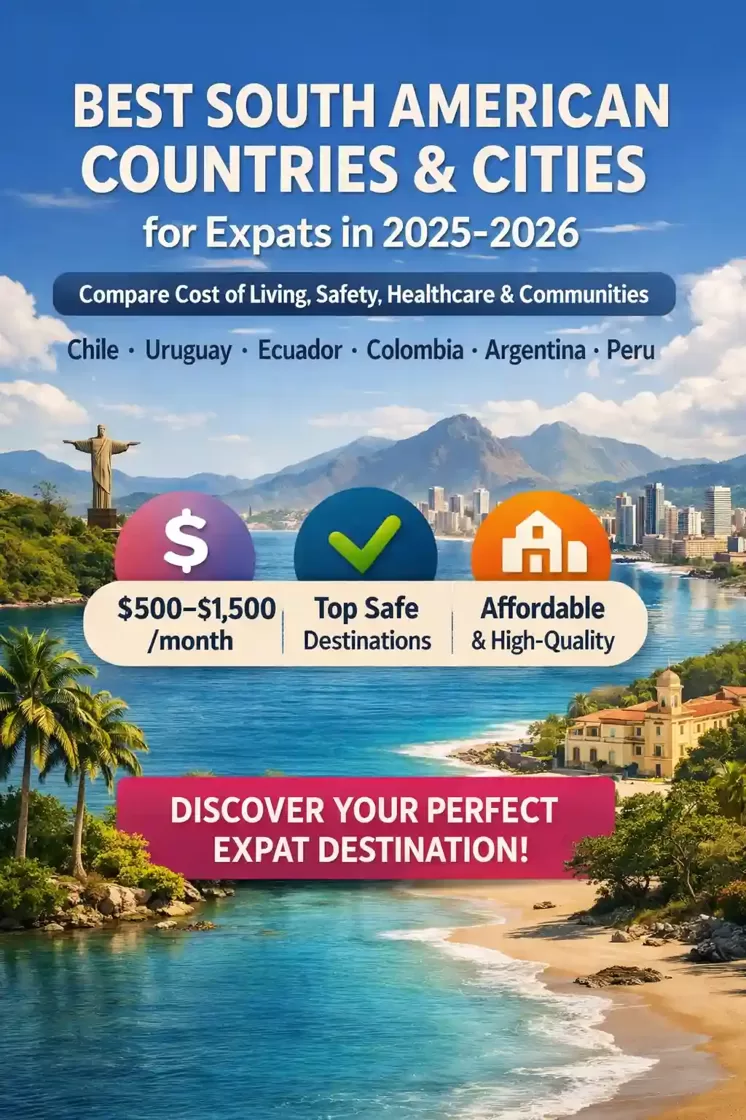 Updated
for 2026 with current costs, safety data, healthcare insights, and
visa changes — plus a clearer view of which South American
destinations offer the best balance for
expatsSouth America's expat map looks
different in 2026 than it did two years ago. Argentina is no longer
the cheap hack it was. Ecuador's coastal cities now require serious
caution. And Peru — long overlooked by mainstream expat lists — has
quietly matured into one of the most compelling options for those
willing to look beyond the obvious.
Updated
for 2026 with current costs, safety data, healthcare insights, and
visa changes — plus a clearer view of which South American
destinations offer the best balance for
expatsSouth America's expat map looks
different in 2026 than it did two years ago. Argentina is no longer
the cheap hack it was. Ecuador's coastal cities now require serious
caution. And Peru — long overlooked by mainstream expat lists — has
quietly matured into one of the most compelling options for those
willing to look beyond the obvious.
This guide compares six countries on the numbers that actually matter: what you'll spend each month, where it's safe to live, how the healthcare holds up, and what the visa path looks like. No generic rankings — just an honest breakdown so you can decide which country fits your actual situation.
Best Countries to Live in the Jungle (2025–2026): Peru, Colombia, Ecuador, Costa Rica, Panama, Bali & More — Honest Comparison
Jungle Off-Grid Living: The Complete Guide to Building, Moving, and Living Self-Sufficiently in the Tropics
Cost of Living in Machu Picchu, Peru: The 2026 Reality (Aguas Calientes + Cusco)
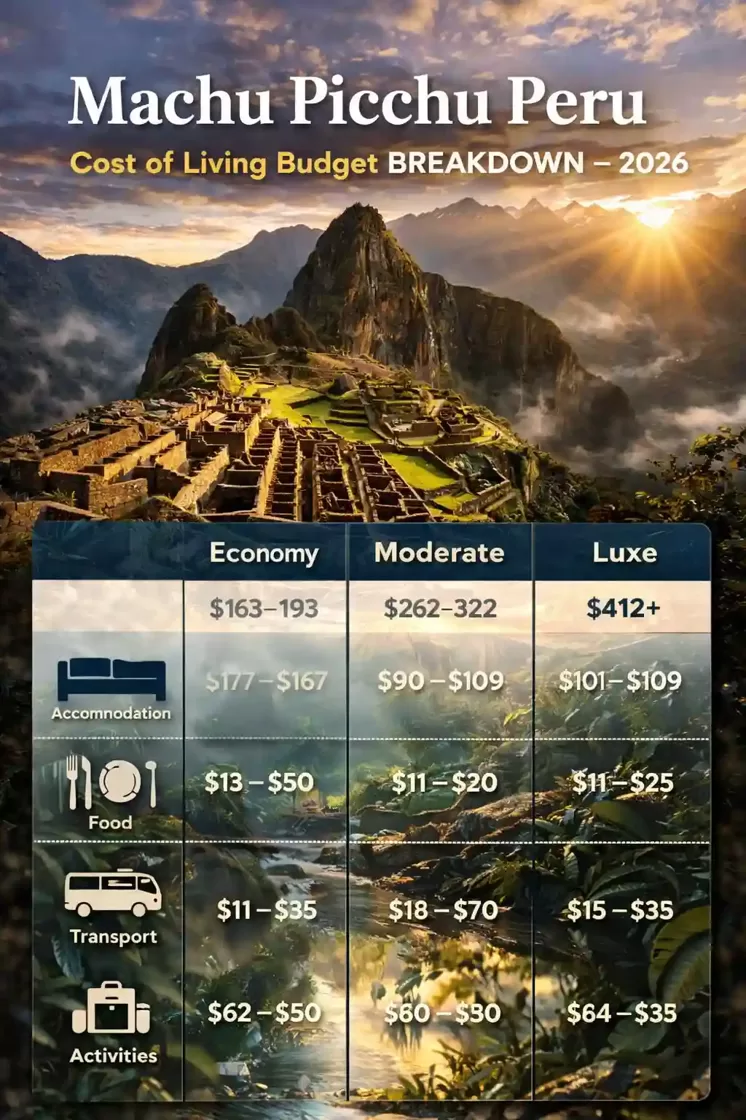
Machu Picchu looks like the perfect place to escape and live the dream. But here’s the truth most travelers discover too late: you cannot live in Machu Picchu, Peru.
The iconic ruins are a protected UNESCO archaeological site with strict day-visit rules only. No one sleeps there overnight except on rare scientific permits. So when people search for the “cost of living in Machu Picchu, Peru,” they actually mean the real cost of visiting — and that means basing yourself in the nearest town, Aguas Calientes, or the more practical hub of Cusco.
This guide uses only official 2026 data from Peru’s Ministry of Culture, Consettur, PeruRail, and cross-checked Numbeo figures. No blogger guesses. No outdated 2023 prices. You’ll get exact numbers, ready-to-use tables, and clear comparisons so you can plan your trip without surprises.
Best Countries to Live in the Jungle (2025–2026): Peru, Colombia, Ecuador, Costa Rica, Panama, Bali & More — Honest Comparison
Jungle Off-Grid Living: The Complete Guide to Building, Moving, and Living Self-Sufficiently in the Tropics
Does ayahuasca beat depression? Facts from recent clinical trials

There is a reason this question keeps coming back.
When people have lived with depression for years, “maybe” starts to sound like hope. Maybe the standard antidepressants were too slow. Maybe talk therapy helped, but not enough. Maybe what looks like emotional numbness is really a nervous system stuck in the same loop, day after day.
That is why ayahuasca has moved from the edge of the conversation to the research table. Not because science has declared it a miracle, but because a small group of clinical studies has shown something psychiatry always takes seriously: a fast signal of change in people who often do not respond well to conventional treatment.
The honest version is less dramatic than the headlines. Ayahuasca has not “won” against depression. What it has done is earn a place in the serious research conversation. The published evidence is still small, the samples are still modest, and the field is waiting for direct comparisons with esketamine. But the early data are no longer easy to dismiss.
For readers looking for a more private and carefully structured
format, this page explains how Amazonian solo retreats in Peru
work, who they are designed for, and what an individual program
includes from preparation to integration:
https://www.weles-group.com/projects/amazonian-solo-retreats/
Amazon Jungle Investments 2026: Peru vs Brazil vs Ecuador Complete Comparison
Picture this scenario.
You're sitting across from three investment portfolios, each promising sustainable returns from one of Earth's most valuable ecosystems.
Peru offers 15-25% returns through REDD+ projects. Brazil tempts with massive scale and infrastructure. Ecuador pitches biodiversity hotspots and compact investment sizes. Which door do you open?
The Amazon rainforest represents more than ecological wonder in 2026. It's become a serious asset class where conservation meets capital, and where your investment decisions can simultaneously build wealth and protect 390 billion trees.
But choosing between Peru, Brazil, and Ecuador isn't about flipping a coin. Each country brings distinct advantages, hidden pitfalls, and regulatory frameworks that can make or break your returns.
This comparison cuts through the marketing hype. We'll examine real ROI data from World Bank 2025 reports, dissect the regulatory landscapes that actually matter to foreign investors, and walk through a case study of an investor who switched from Brazilian holdings to Peruvian projects.
By the end, you'll have a decision framework that matches your risk tolerance, return expectations, and sustainability goals.
Ayahuasca 2025–Feb 12, 2026: A Global Field Report on Research, Regulation, Safety, Retreat Markets, and Platform Constraints
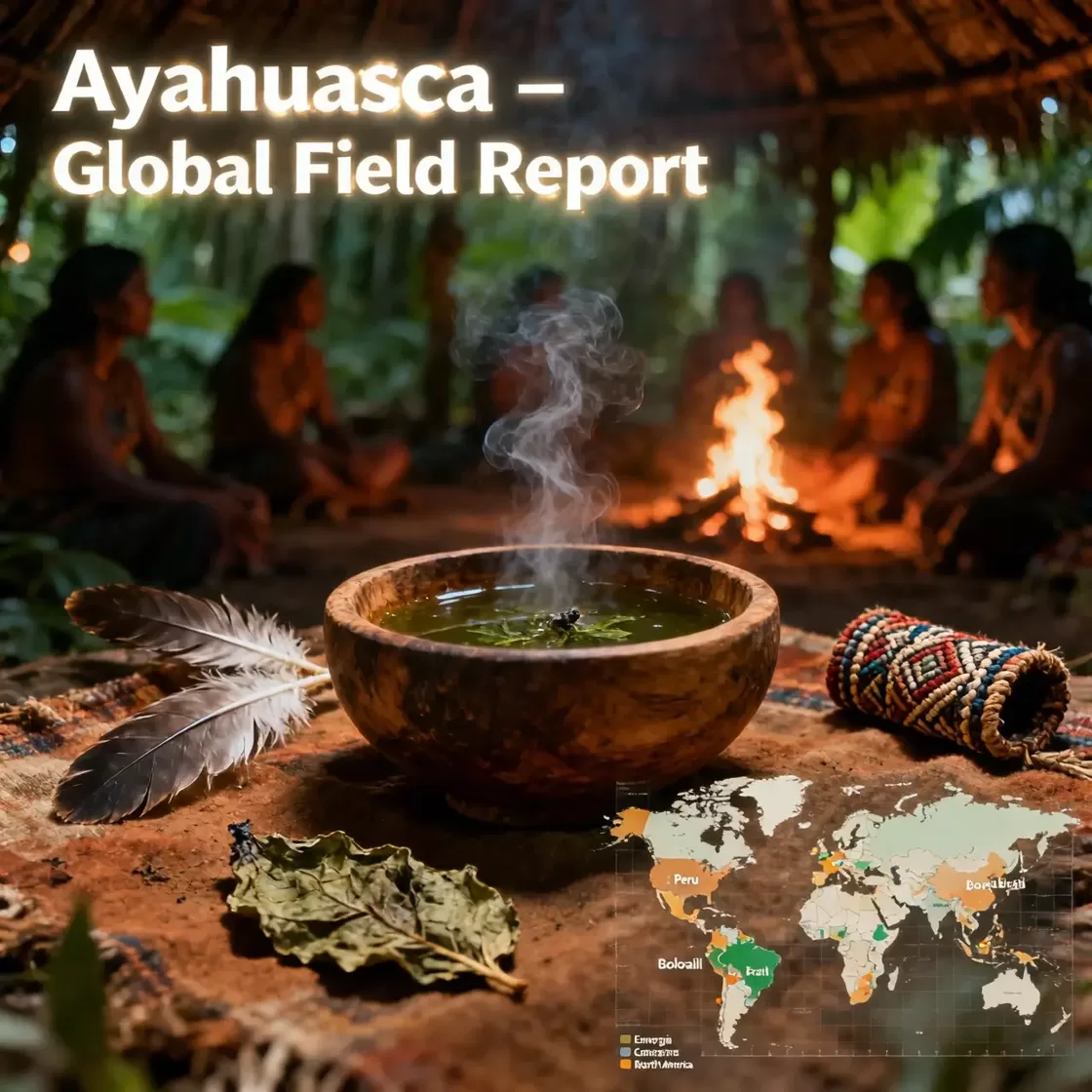
Executive summary
-
Between 2025 and early 2026, the most clearly documented changes were not “global legalization,” but governance signals: public safety enforcement actions, official travel-health warnings, and policy frictions in payments/advertising that shape how the market can operate online.
-
Peer-reviewed literature during the period strengthened two parallel points: (1) outcomes are heterogeneous and context-dependent, and (2) commercially advertised retreat settings show wide variation in safety practices.
-
Market mapping work based on publicly advertised organizations continued to show rapid geographic spread and productization (packages, concierge positioning, multi-country offerings), while investigative journalism documented both scaling ambitions and reputational crises.
-
The legal picture remained structurally asymmetric: in many jurisdictions the DMT molecule is controlled, while plant materials and ceremonial claims move through gray zones that differ sharply by country and by enforcement posture.
-
Retreat Centers in Peru’s Amazon - Prices, Demand, Supply, and a Due-Diligence Framework
The Amazon Redemption Why Legitimate Conservation Investments Actually Work When Done Right
 Everything I told you in the previous
articles is true. Half of REDD+ projects fail. Most carbon credits
are phantom. Land fraud is rampant. Cartels control territory.
Property rights are unstable.
Everything I told you in the previous
articles is true. Half of REDD+ projects fail. Most carbon credits
are phantom. Land fraud is rampant. Cartels control territory.
Property rights are unstable.
All of that is real.
But here's what I didn't emphasize. The other half of REDD+ projects work. Some land investments genuinely succeed. Some investors make real money while actually preserving forest. Some conservation happens and markets work and everybody wins.
The difference isn't luck. It's method.
How to Legally Buy Land in Peru as a Foreigner Step by Step Guide for 2026
Part One Why Legitimate Investments Outperform the Schemes
There's a pattern I've noticed across successful Amazon projects. They share four things. None of them are secrets. None of them require sophisticated financial engineering. They just require patience and honesty.
How to Legally Buy Land in Peru as a Foreigner Step by Step Guide for 2026
Introduction Foreigners Buying Land in Peru in 2026
Peru remains one of the most open countries in Latin America for foreign property ownership. Foreigners can legally buy titled land almost anywhere in the country, from the Pacific coast to the Andes and deep Amazonian regions, without needing residency or special permits.
This openness makes Peru attractive for investors seeking land for living, eco projects, agriculture, conservation and long term development.
The year 2026 introduces several updates that make the purchasing process both more secure and more structured. The national registry modernizes its digital systems, notaries rely more heavily on electronic verification and land due diligence becomes easier to perform remotely.
At the same time, buyers must understand zoning categories, environmental rules and regional differences that shape what can legally be done with a particular parcel.
This guide walks foreigners step by step through the entire process of legally buying land in Peru in 2026. The explanations are written in simple language, with practical details, a clear workflow and guidance based on current regulatory practices.
The article focuses on legal safety, transparency and realistic expectations, helping foreigners avoid the most common mistakes and complete a smooth and secure transaction.
Featured article
How much does it cost to live in the Amazon rainforest?
A practical cost breakdown for living in the Peruvian Amazon, including land prices, housing, monthly expenses, infrastructure, internet, and realistic startup costs.
Read the full Amazon cost of living guideIllegal Gold Mining in the Peruvian Amazon in 2025
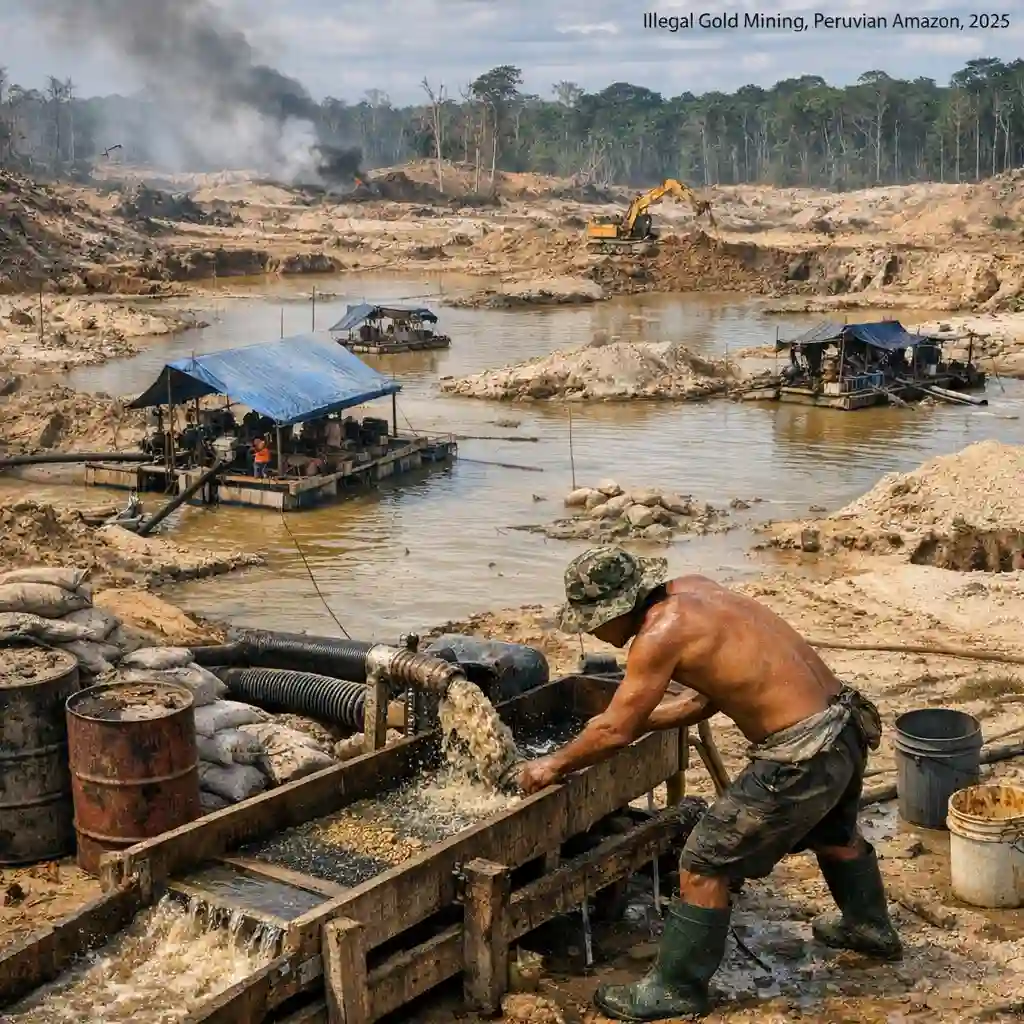
Verified facts, locations, and what Loreto’s rivers reveal about the wider crisis
This longread is based only on
publicly available 2025 reporting and documentation from official
institutions and named research and conservation organizations. A
single consolidated source list is provided at the end.
Retreat Centers in Peru’s Amazon - Prices, Demand, Supply, and a Due-Diligence Framework
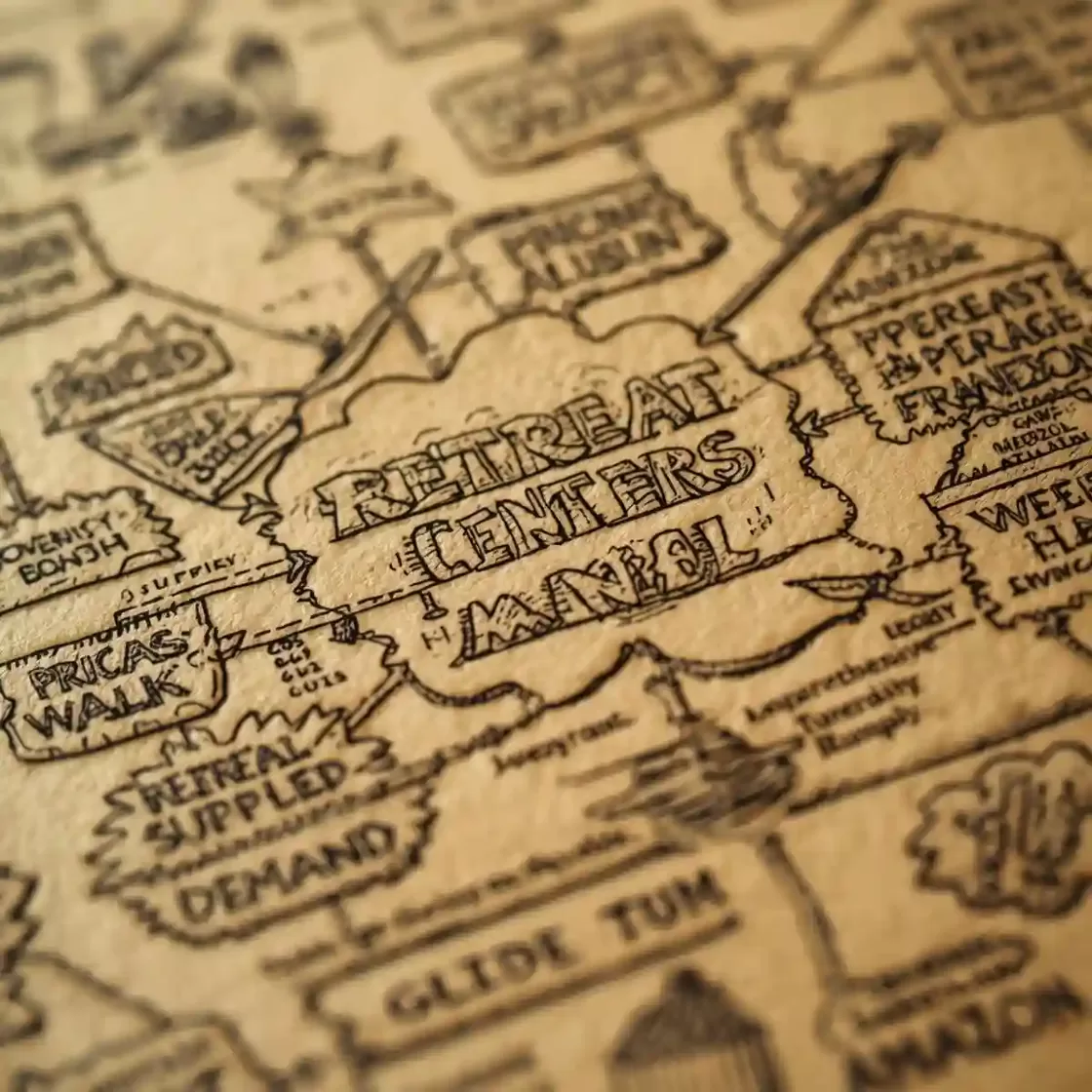
Buying a retreat center in Peru’s Amazon is not like buying a hotel on the coast or a condo in a capital city. Here, the “property” is inseparable from access routes, legal clarity, basic infrastructure, and the realities of operating in a remote environment.
This article is written for buyers who want a clear, practical framework. It covers how prices behave in a thin market, what demand and supply really look like, and a due diligence process that reduces the most common failure modes: unclear rights, unclear boundaries, unreliable access, and hidden CapEx.
If you only remember one idea, remember this: in the Amazon, value follows clarity (rights + access + systems). Scenery helps marketing, but it cannot replace proof.
Types of Land and Property Rights in the Peruvian Amazon – 2026 Guide

Disclaimer: This article is for general information only and does not replace advice from a qualified Peruvian lawyer, notary or surveyor.
Owning or using land in the
Peruvian Amazon is never just about hectares and
price.
Every parcel sits inside a specific legal regime that decides:
-
who actually owns the soil and who owns the forest on top;
-
what you are allowed to build, plant or extract;
-
which authorities, communities or companies must be consulted;
-
how exposed you are to future legal and political changes.
If you are a foreign buyer, eco-lodge founder or conservation investor, understanding land types and property rights is the first step before you even look at photos or visit a site.
Why the Amazon Rainforest Matters for Global Climate and How You Can Help Protect It
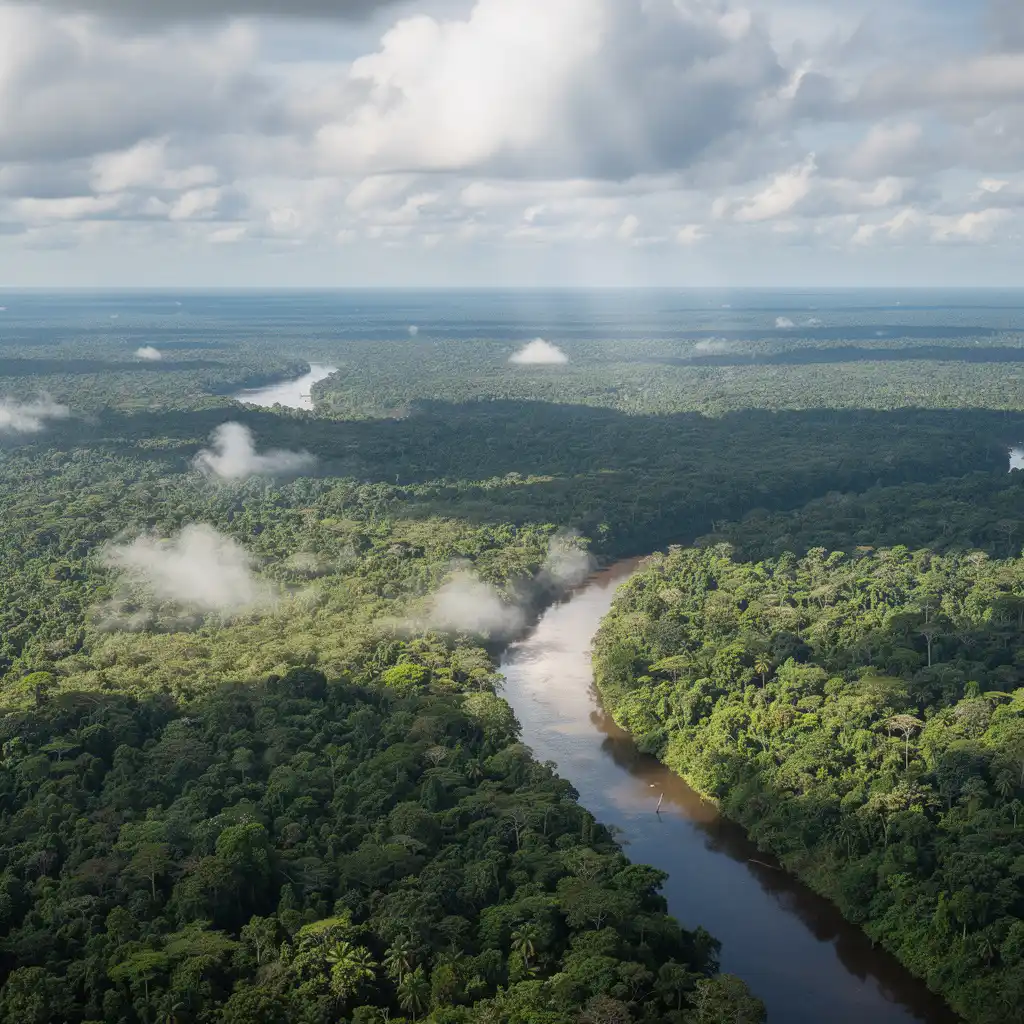
The Amazon rainforest stands as one of Earth's most vital natural systems. Spanning approximately 6.7 million square kilometers across nine countries, this vast ecosystem influences weather patterns, stores massive amounts of carbon, and harbors roughly ten percent of all species on the planet. Yet despite its importance, the Amazon faces persistent threats that could fundamentally alter its ability to regulate climate and support biodiversity.
Understanding why this forest matters and what drives its
destruction helps anyone concerned about environmental issues make
informed decisions about supporting conservation efforts. This
analysis examines the science behind the Amazon's global
significance, the complex forces threatening its survival, and
practical approaches to protecting it for future
generations.
Billions for the Amazon What Peru Really Brought Home from COP30 in Belém November 2025
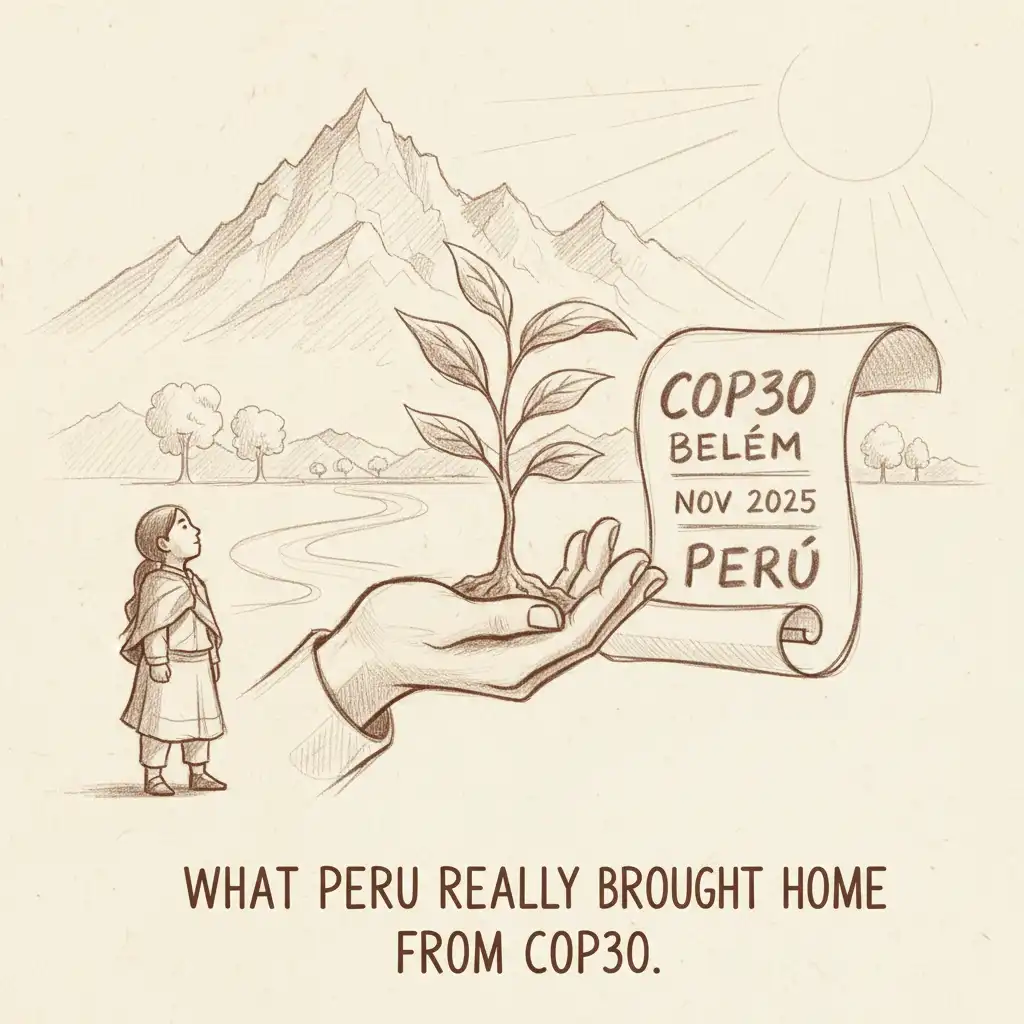
I am sitting on my balcony in Iquitos right now, watching the November rain hammer the Amazon River while the last echoes of COP30 still ring in my ears. For the past two weeks I followed every session from Belém on live streams,
WhatsApp groups with friends at the Peru Pavilion, and late-night calls with indigenous leaders who travelled downriver to be there. When Peru's minister announced the official launch of the Paquete País Perú, I felt something shift. This was not another vague promise. This felt real.
For years we who live and work in Loreto talked about "when the money finally arrives." On November 18 2025 it started arriving, or at least the pipeline opened wide.
What Exactly Is the Paquete País Perú
In simple terms the Paquete País (Country Package Peru) is a ready-to-fund portfolio of high-impact projects designed to turn Peru's climate commitments into bankable reality. Think of it as Peru handing the world a polished investment prospectus that says: "Here are the exact projects, here are the safeguards, here are the indigenous organisations in charge, and here is how every dollar will be tracked."
COP30: Climate Summit Paradox
Exploring the contradictions of COP30: deforestation concerns, private jet emissions, and the environmental impact of climate summits.
Read Full AnalysisAmazon Investment Paradox
Understanding REDD+ programs, land rights conflicts, and the complex dynamics of Amazon rainforest conservation investments.
Explore the IssueWhy Carbon Credits Won't Save the Amazon How REDD+ Projects Actually Fail
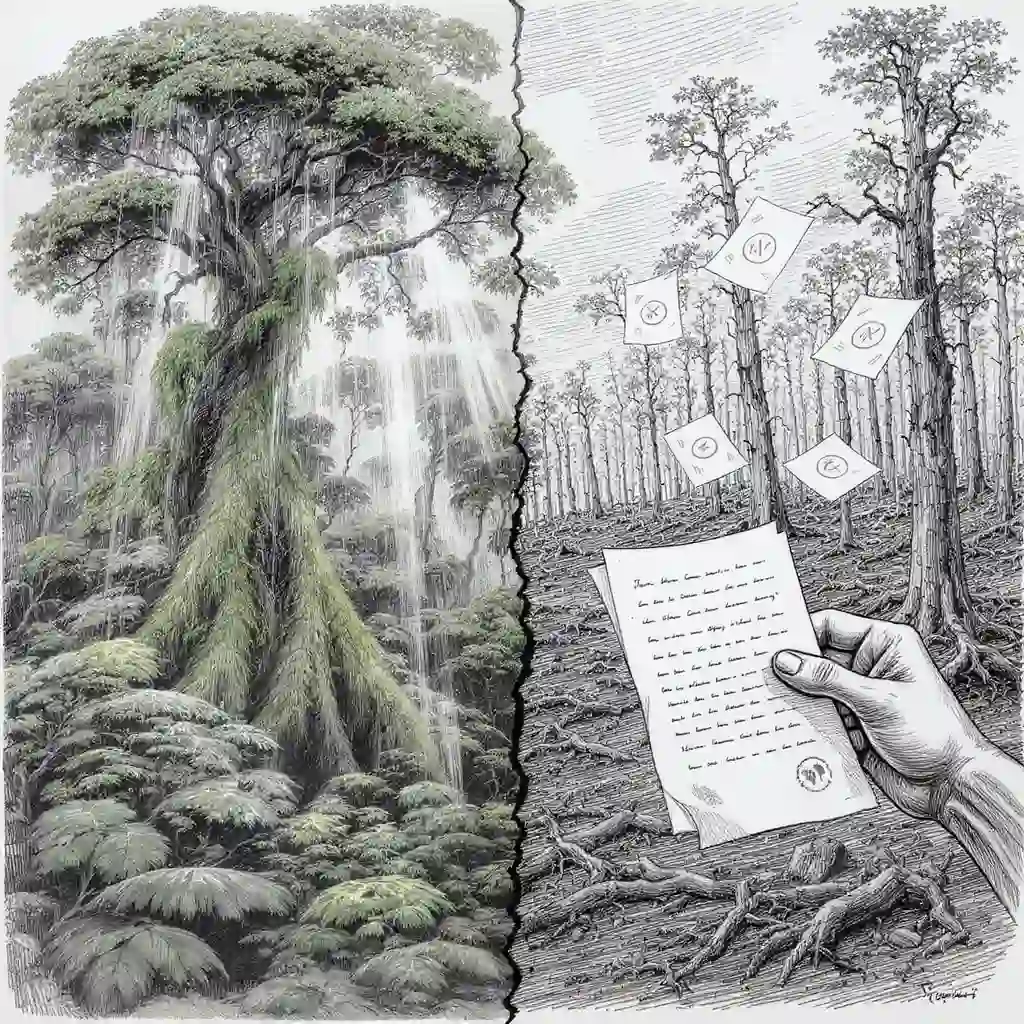
Imagine the scenario.
A big company — a bank, manufacturer, tech giant — releases a press statement saying it achieved carbon neutrality.
How? It bought carbon credits. Say ten thousand credits from a REDD+ project in Peru means ten thousand tons of CO2 didn't enter the atmosphere.
Sounds fair. Honest. Responsible.
One problem. Money goes to supposedly prevent deforestation that wouldn't happen anyway. And the forest next door keeps getting chopped down.
But there's another side to this story — people who say REDD+ works and the numbers are real. Let's figure out who's right.
How Carbon Credits Became a Reputation Laundering Tool
REDD+ (Reduced Emissions from Deforestation and forest Degradation) sounds simple even noble. Wealthy countries and companies pay developing countries so they don't cut down forest. Money for conservation. Sounds like win-win.
Over twenty years this idea attracted billions. In 2024 alone over a billion tons of CO2 moved through voluntary carbon markets as credits. The whole system rests on one assumption that people believe these credits reflect real emission reductions.
Most of them don't.
The Amazon Investment Paradox Why Financial Instruments Can't Replace Sovereignty and Land Rights
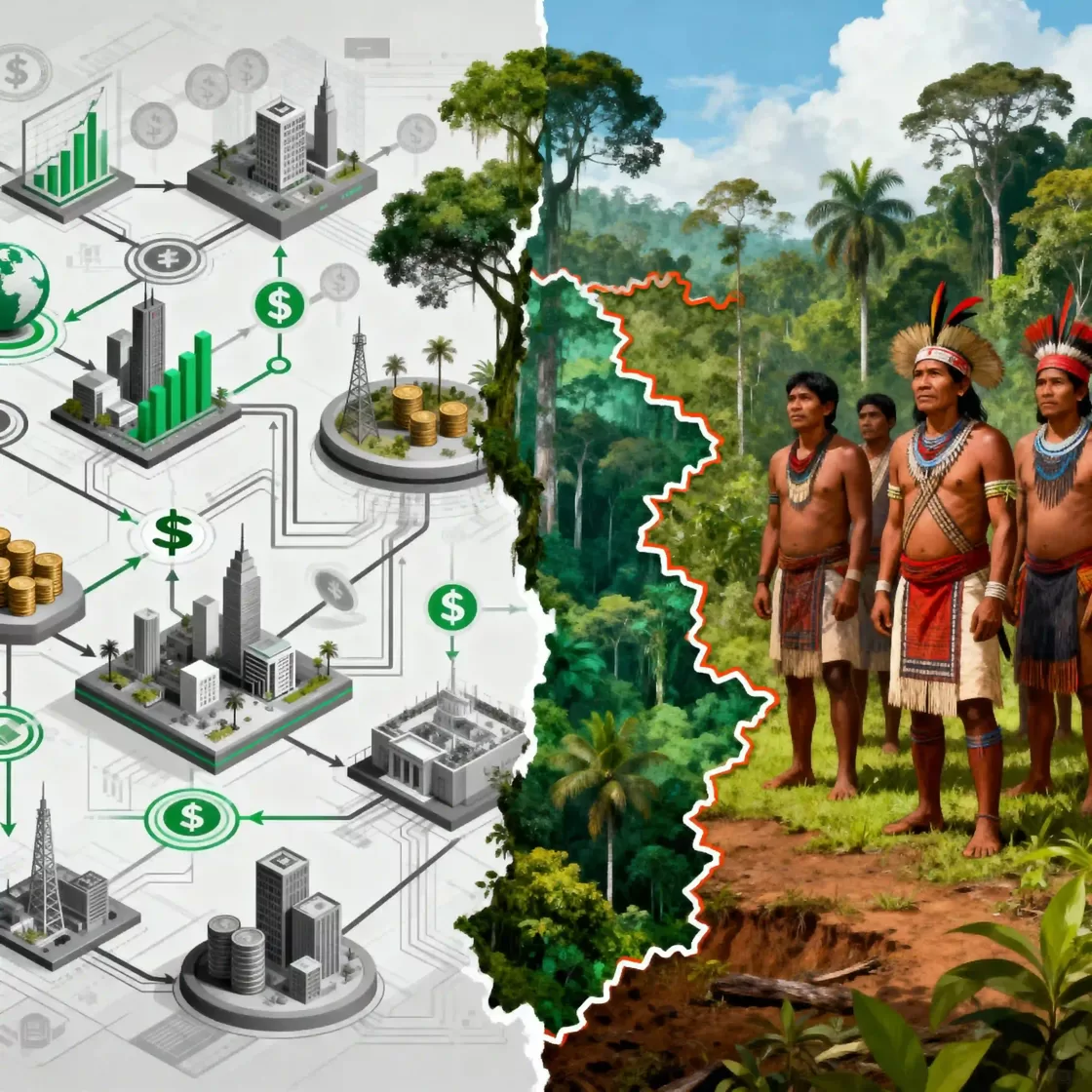
We live in an era of beautiful solutions. Solutions that let wealthy nations and corporations feel like they're saving the world without actually changing anything. Carbon credits are one. Amazon land deals are another. Peru jungle investments are a third. They're all connected by the same fundamental flaw.
They treat the Amazon like a financial instrument instead of a geopolitical reality.
Let me explain what I mean by walking through how money actually moves in the Amazon economy. Not the official story.
The real story.
Part One The Carbon Credits Fantasy and Why It Breaks
Start with carbon credits because they're the simplest to understand and the easiest to get wrong.
A company in New York or London has a carbon problem. They've burned fossil fuels made stuff shipped it globally and created emissions. Now they need to be carbon neutral for their ESG report. What do they do. They buy carbon credits from a REDD+ project in Peru.
The math looks clean. One credit equals one ton of CO2 that doesn't enter the atmosphere. Ten thousand credits means the New York company is now neutral. Everyone's happy.
Except the Amazon doesn't work that way.
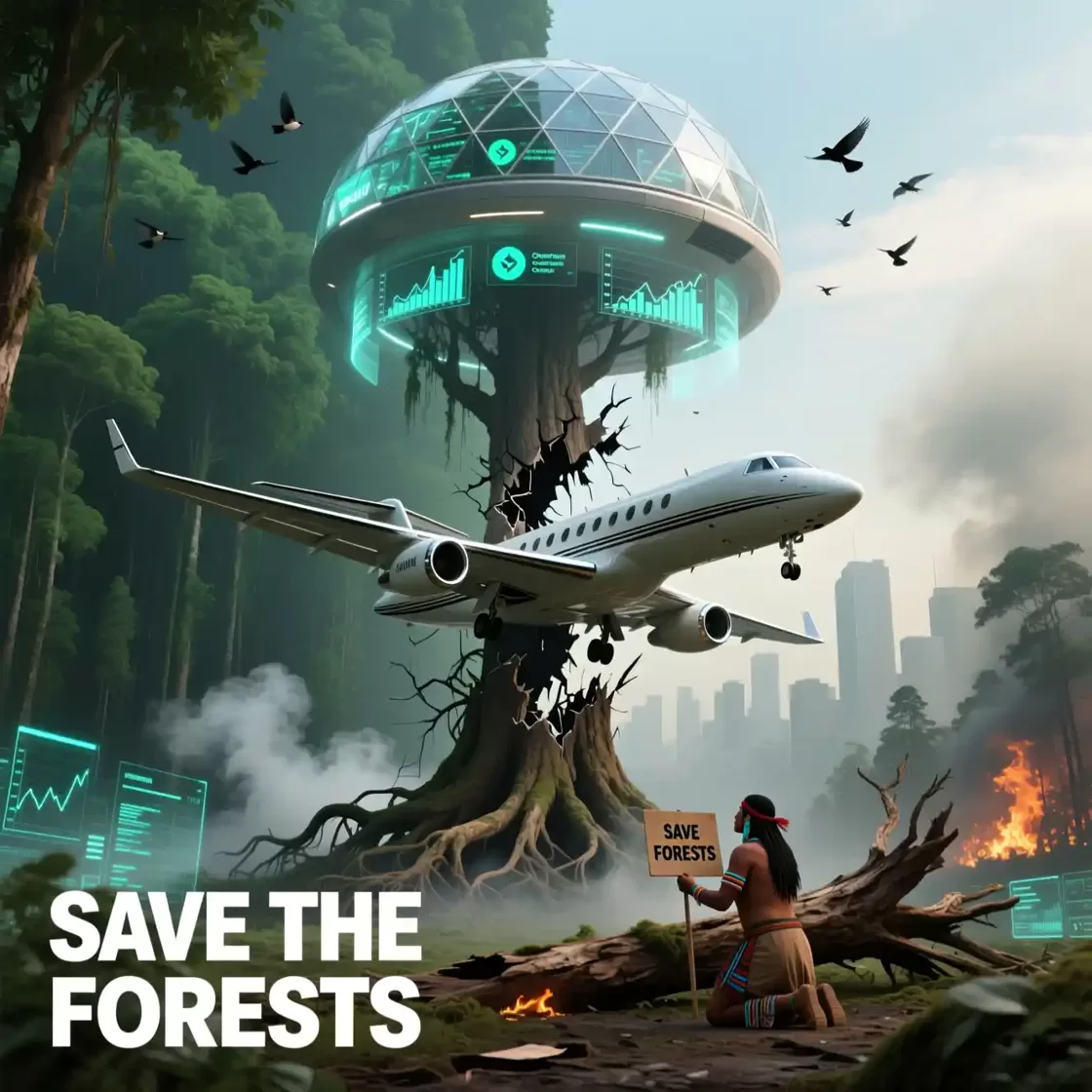
COP30 - Deforestation, Private Jets, and the Climate Summit Paradox
The Environmental Cost of Climate Action
The 2025 UN Climate Conference (COP30), held in Belém, Brazil in November, took place amid a profound environmental contradiction.
To host the world's largest climate summit, organizers authorized the construction of a four-lane highway through protected Amazon rainforest. Simultaneously, thousands of delegates flew to the event on private aircraft.
This analysis examines the verified facts behind these environmental decisions, the numbers involved, and what they reveal about the logistical footprint of global climate governance.
The Avenida Liberdade Highway - Facts and Figures
The Road Through the Forest
The most visible infrastructure project associated with COP30 is the Avenida Liberdade, a four-lane expressway being constructed through protected rainforest territory in Pará state. This highway spans 13.2 kilometers through an Environmental Protection Area (EPA)—officially designated protected land.
The project began in mid-2024, accelerating construction to meet the November 2025 summit deadline. The scope of land clearing is significant: approximately 68 hectares of native rainforest have been directly removed to date. For context, 68 hectares equals roughly the size of 100 American football fields. Beyond the direct road corridor, the project involves paving over wetland areas and fragmenting a previously contiguous forest zone.
Design Features and Environmental Mitigation
Infrastructure officials have emphasized that the Avenida Liberdade incorporates environmental design elements:
-
Twenty-four dedicated wildlife crossings to allow animal movement across the roadway
-
Bicycle lanes promoting low-emission transportation
-
Solar-powered lighting systems to reduce electrical demand
-
Wetland management systems
According to Adler Silveira, infrastructure secretary for Pará state, the project represents a "sustainable highway" that modernizes regional mobility infrastructure while attempting to minimize ecological disruption.
Featured Articles
Historical Context: When Was It Planned?
An important clarification: the Avenida Liberdade was not conceived for COP30. The project was originally planned in 2012—over a decade before Brazil was selected as host nation for the 2025 climate summit. However, construction remained dormant due to environmental concerns until 2024, when the project received significant acceleration in preparation for the conference.
This distinction matters for context, though it does not negate the environmental impact occurring in the present timeline.