
How Much Land Does a Family Need for Self-Sufficiency in the Peruvian Amazon?

How much land does a family need to become self-sufficient in the Peruvian Amazon? Is one hectare enough to grow most of its food? Would five hectares provide a workable homestead? And what would an additional ten or fifteen hectares actually contribute? The answer depends less on a property's advertised size than on how much of it can legally and practically be used.
A family may concentrate its kitchen garden, staple crops, poultry and basic infrastructure within a relatively small area. Yet growing food is not the same as achieving complete self-sufficiency. Calories are only part of the equation. Water reliability, protein and dietary diversity, fertile soil, safe housing, animal feed, maintenance, transport and access to medical services remain important.
Land ownership in the Amazon also comes with restrictions that are easy to overlook. Forest classification, flood-prone ground and legally protected river margins known as fajas marginales may substantially reduce the area available for development. Buying more hectares does not automatically create permission to clear more forest or build closer to a river.
This guide compares 1, 5 and 15–20 hectare properties, develops a realistic land-use plan for a family of four, calculates illustrative food requirements and examines garden production, chickens, fish ponds, agroforestry, water management and ongoing costs. The objective is to determine how much usable land a household truly needs, and when a larger property offers benefits worth paying for.
How to Plan a Year-Round Food Forest in the Peruvian Amazon
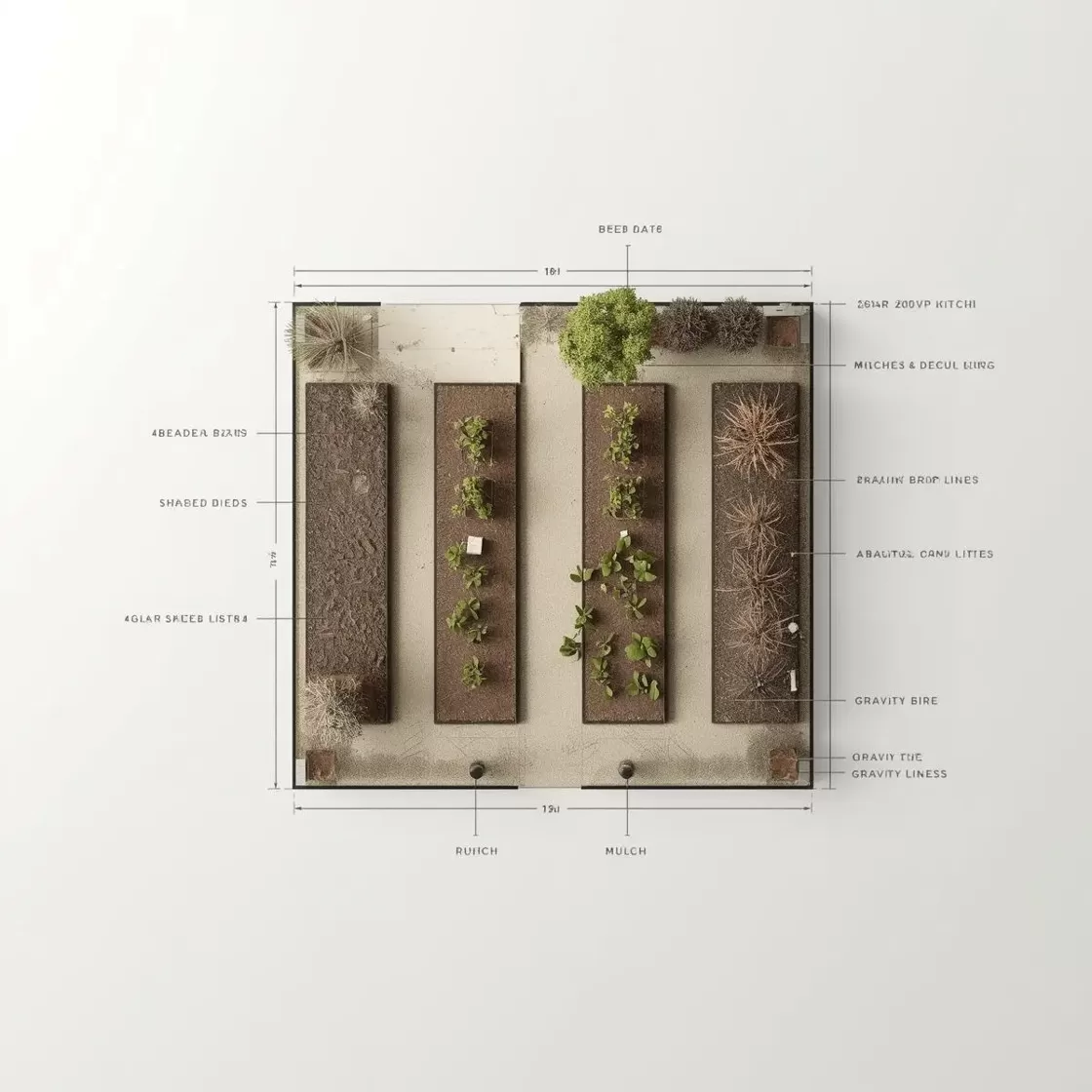
A food forest in the Peruvian Amazon begins with a practical question: how can a family grow useful food throughout the year without turning every day into an endless cycle of clearing, weeding and replanting? The answer involves more than planting fruit trees. It requires a combination of short-cycle crops, perennial plants, managed shade, suitable soil conditions and a planting schedule adapted to the actual location.
A 300–600 m² kitchen garden and a larger 0.5–1.0 hectare agroforestry area can serve as useful planning examples on land where cultivation is legally permitted. Cassava, plantain, sweet potato, legumes, cacao, ginger and turmeric may have roles in such a system. But not every plant belongs under dense shade, not every crop tolerates waterlogged soil, and a young food forest cannot provide the harvests of a mature one.
This guide explains how to design a Peruvian Amazon food forest using manageable garden modules, appropriate crop spacing, layered planting, mulch, water management and seasonal succession. It also covers soil fertility, pest prevention, safe harvest handling, first-year costs and the gradual transition from a working garden to an established agroforestry system. The objective is a reliable and diversified food supply, not an unsupported promise of complete household self-sufficiency.
How to Plan a Tilapia Pond in the Peruvian Amazon
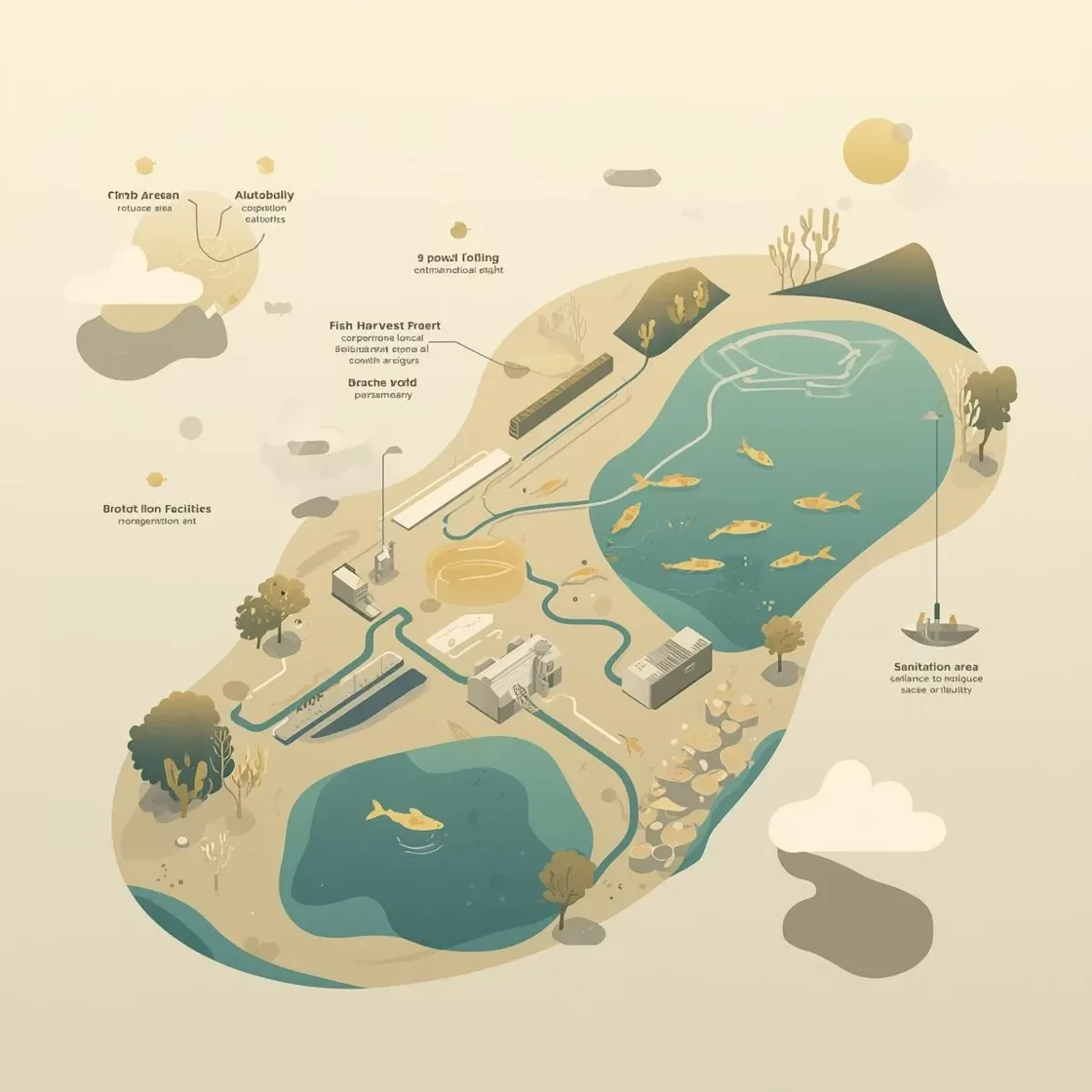
A fish pond can make sense on a rural property in the Peruvian Amazon, but digging a hole and waiting for the rain is not a reliable way to produce fish. A pond covering 300–400 square meters may hold hundreds of thousands of liters of water, require carefully designed drainage and depend on daily monitoring that becomes particularly important during heavy rainfall and hot weather.
There is another consideration that many homesteading guides overlook. Tilapia is not a native Amazonian fish, and its cultivation is subject to regional restrictions in Peru. The national management plan covers specified departments, including Ucayali and San Martín, but does not list Loreto. For properties around Iquitos, native aquaculture species such as gamitana and paco may be more appropriate, subject to the required authorizations.
This guide examines the practical design of a Peruvian Amazon tilapia pond, including pond size, water supply, watershed management, spillway safety, fish stocking, feeding, realistic harvest calculations and operating costs. It also explains when tilapia is an eligible option, how to evaluate native alternatives and why the most important decisions must be made before excavation or fish stocking begins.
How to Build a Tropical Chicken Coop in the Peruvian Amazon
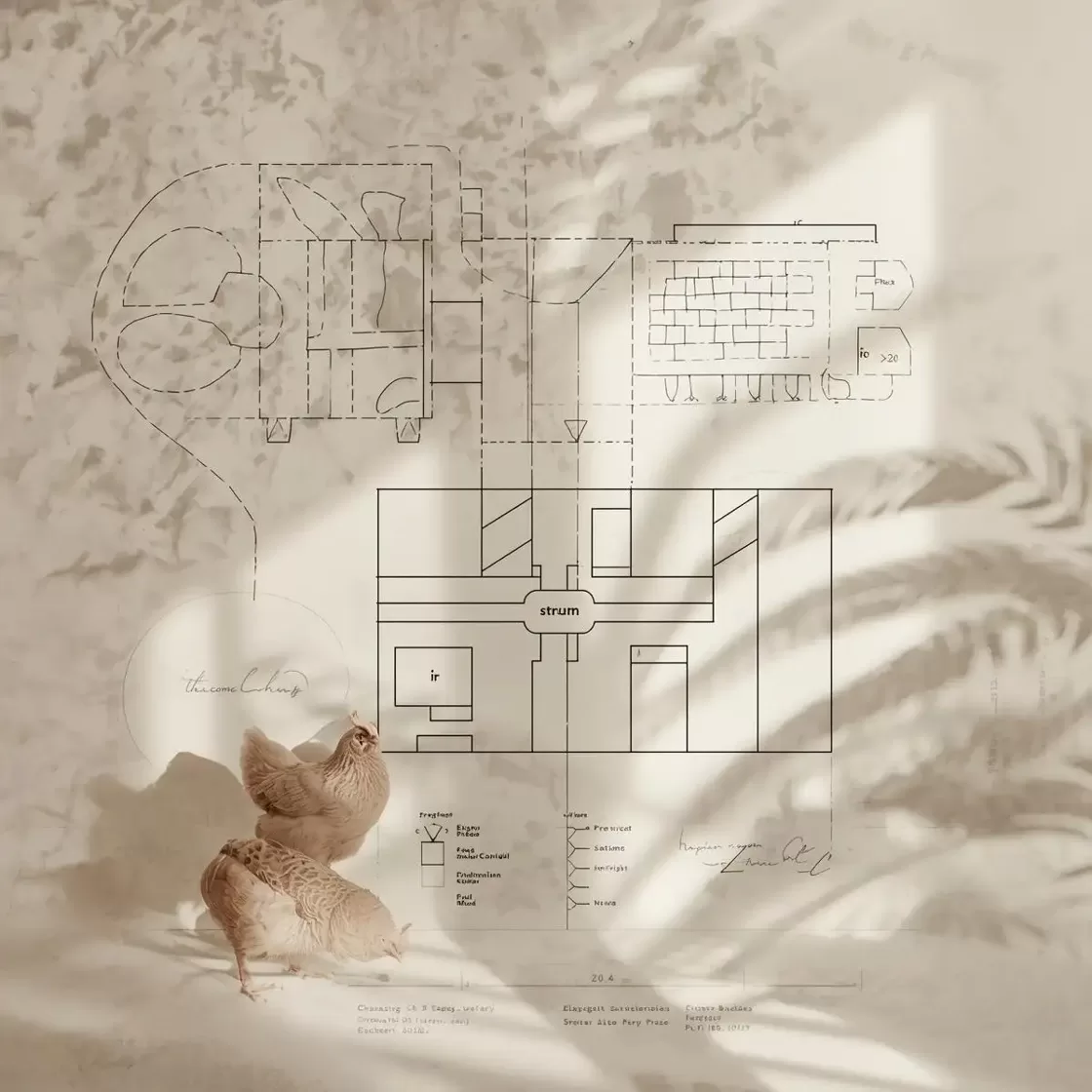
Raising chickens in the Peruvian Amazon means dealing with two problems that conventional backyard coop designs often underestimate: persistent humidity and heat that birds cannot easily escape. A poorly ventilated shelter can become uncomfortable even when it keeps out the rain. Wet bedding, contaminated water and an inadequate diet can undermine egg production long before the owner understands what went wrong.
A well-designed tropical chicken coop for 18–24 laying hens needs more than a raised floor and mesh walls. It needs dependable shade, natural airflow, protection from predators and wild birds, enough space to remain usable during heavy rain, and a feeding system that supplies the nutrients required for laying. Locally available crops can supplement that diet, but they cannot automatically replace balanced layer feed.
This guide explains how to choose the site, calculate coop and run dimensions, build a ventilated structure, organize feeding and drinking water, manage litter and disease risks, and budget for construction and ongoing care. The objective is healthy birds and reliable egg production across the year, without promising that every hen will lay every day or that a backyard flock can operate without regular feed purchases.
How Much Work Does a 5-Hectare Homestead in the Peruvian Amazon Require?
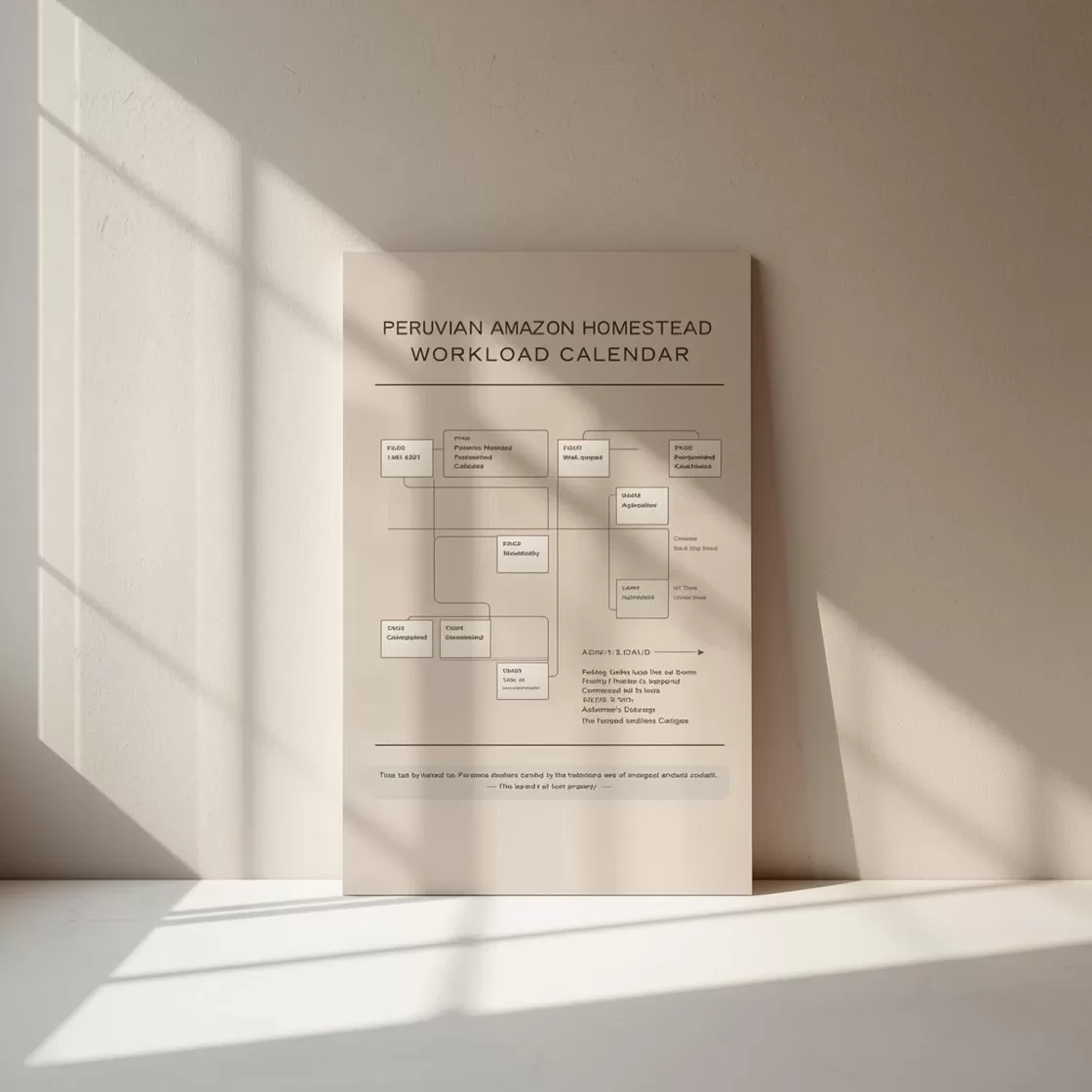
Five hectares in the Peruvian Amazon sounds like enough land to grow food, keep chickens, raise fruit trees and build a more independent way of life. The difficult question is rarely how much land you own. It is how many hours you must work every day to keep that land productive, safe and manageable.
For a family of four operating a modest, established homestead, three to five combined person-hours of routine work per day can serve as an initial planning scenario. But that is not a verified regional average or a realistic promise for a property starting from scratch. Establishing water systems, planting new areas, repairing access and managing livestock can require considerably more time.
This guide breaks down the Peruvian Amazon homestead workload into daily routines, seasonal tasks, equipment requirements, an illustrative startup budget and a practical twelve-month implementation plan. It also explains where costs are commonly underestimated, how working conditions differ between Amazonian regions and why good site design saves more labor than simply buying more machinery.