
𖣥 ether.fi Cash Visa Card to spend crypto without selling it — mechanics, costs and tax questions

Spending crypto used to mean selling it first, waiting for the transfer, then paying from a bank balance. That is no longer the only route.
Today you can pay a merchant directly from a token balance, or borrow against your holdings and keep them intact. The three routes look similar at the checkout and behave very differently in your accounts, your tax record and your total cost.
There are three ways to turn crypto into a paid invoice: sell first and pay from cash, spend directly from a token balance, or borrow against your holdings. Selling and direct spending both dispose of an asset, which in many jurisdictions is a taxable event. Borrowing against collateral is generally not a disposal, but liquidation of that collateral usually is. The right route depends on your tax position, your currency mix and whether you want to keep the asset.
This article explains mechanics, not personal tax or investment advice. Tax treatment of digital assets differs by country and changes over time. Confirm your own position with a qualified tax adviser before choosing a route. Some links on this page are affiliate links and we may earn a commission at no extra cost to you.
See a working example of both spending modes
ether.fi Cash supports direct spending from a token balance and borrowing against holdings inside one account. Our full breakdown covers the tiers, fees and eligibility in detail.
How Crypto Communities and DAO Villages Could Work in Peru
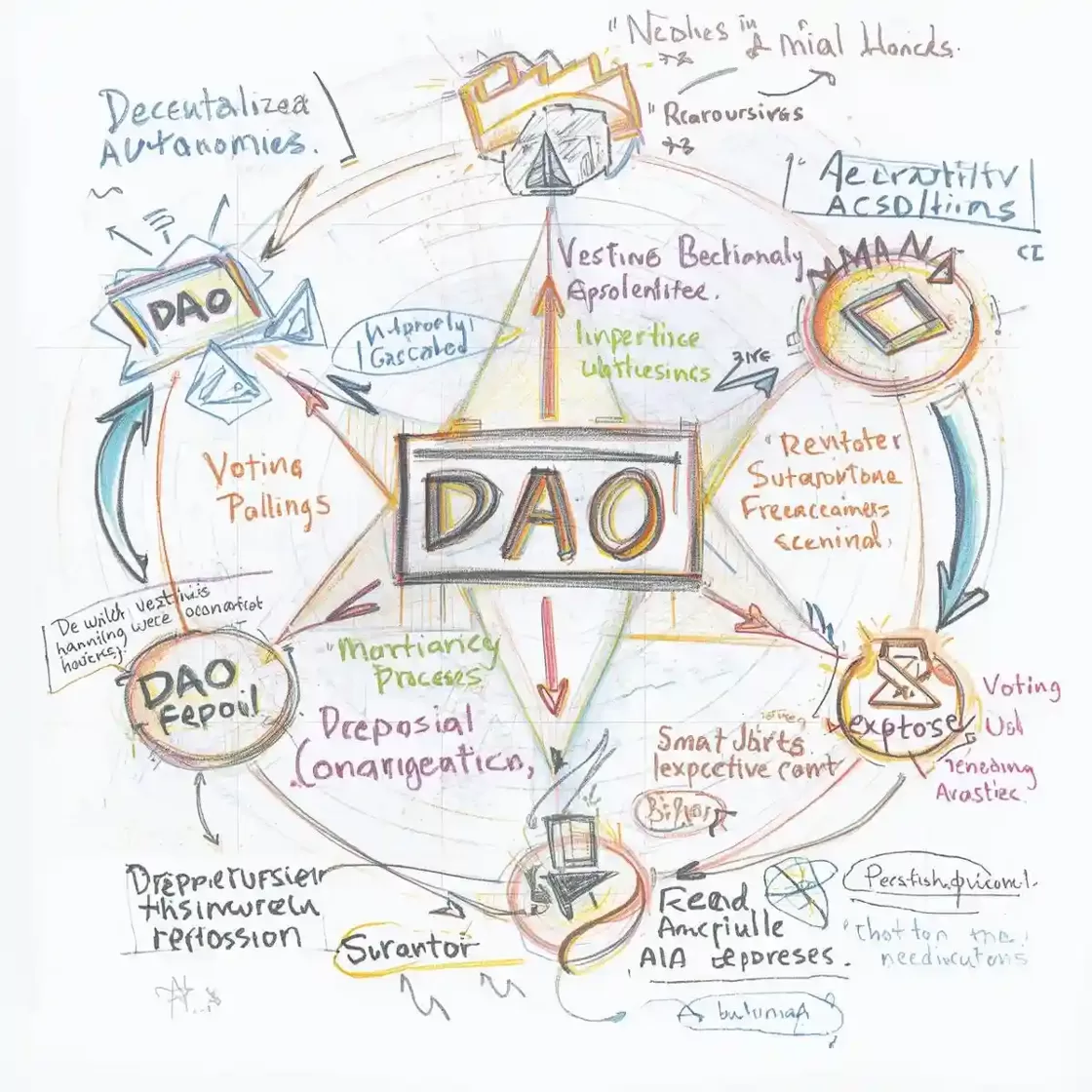
Imagine a community in Peru where residents share the costs of infrastructure, make collective decisions through digital voting and organize parts of their economy using blockchain. A DAO village could combine remote work, shared facilities, local businesses and transparent community governance. The technology exists to coordinate such a project. What remains much harder is translating digital membership into enforceable property rights, reliable services and a functioning settlement.
Interest in crypto communities in Peru brings together digital nomads, Web3 developers, investors and people exploring alternative models of collective living. Yet a governance token is not a land title, an online vote cannot override Peruvian law, and a project advertised as decentralized still needs legally accountable people to manage property, contracts, money and infrastructure.
This guide explains how a DAO village in Peru could be structured, from forming a founding community and choosing a legal entity to buying land, designing token governance, budgeting for off-grid infrastructure and managing conflicts. It also examines virtual-asset regulation, foreign ownership restrictions and the questions prospective residents should ask before committing funds. The aim is to distinguish a workable community model from an attractive but unverified Web3 promise.